logotype
  • About
  • Residential
    • Special Cleaning
    • Carpet Cleaning
    • Window Cleaning
    • Deep Cleaning
    • Apartment Cleaning
      • Sofa Cleaning
      • Yard Cleaning
      • Roof Cleaning
      • Carpet Cleaning
    • Duct Cleaning
    • Upholstery Cleaning
    • Pool Cleaning
    • After Party Cleaning
  • Commercial
    • Office Cleaning
    • Hotel Cleaning
    • Hospital Cleaning
    • Mall & Shops Cleaning
    • Industrial Cleaning
    • Pharmacy Cleaning
    • Premises Cleaning
    • School Cleaning
  • Our Locations
    • Montréal
    • Westmount
    • Ottawa
    • Toronto
  • Contact
CALL US TODAY
logotype
  • About
  • Residential
    • Special Cleaning
    • Carpet Cleaning
    • Window Cleaning
    • Deep Cleaning
    • Apartment Cleaning
      • Sofa Cleaning
      • Yard Cleaning
      • Roof Cleaning
      • Carpet Cleaning
    • Duct Cleaning
    • Upholstery Cleaning
    • Pool Cleaning
    • After Party Cleaning
  • Commercial
    • Office Cleaning
    • Hotel Cleaning
    • Hospital Cleaning
    • Mall & Shops Cleaning
    • Industrial Cleaning
    • Pharmacy Cleaning
    • Premises Cleaning
    • School Cleaning
  • Our Locations
    • Montréal
    • Westmount
    • Ottawa
    • Toronto
  • Contact
CALL US TODAY
  • About
  • Residential
    • Special Cleaning
    • Carpet Cleaning
    • Window Cleaning
    • Deep Cleaning
    • Apartment Cleaning
      • Sofa Cleaning
      • Yard Cleaning
      • Roof Cleaning
      • Carpet Cleaning
    • Duct Cleaning
    • Upholstery Cleaning
    • Pool Cleaning
    • After Party Cleaning
  • Commercial
    • Office Cleaning
    • Hotel Cleaning
    • Hospital Cleaning
    • Mall & Shops Cleaning
    • Industrial Cleaning
    • Pharmacy Cleaning
    • Premises Cleaning
    • School Cleaning
  • Our Locations
    • Montréal
    • Westmount
    • Ottawa
    • Toronto
  • Contact
logotype
logotype
  • About
  • Residential
    • Special Cleaning
    • Carpet Cleaning
    • Window Cleaning
    • Deep Cleaning
    • Apartment Cleaning
      • Sofa Cleaning
      • Yard Cleaning
      • Roof Cleaning
      • Carpet Cleaning
    • Duct Cleaning
    • Upholstery Cleaning
    • Pool Cleaning
    • After Party Cleaning
  • Commercial
    • Office Cleaning
    • Hotel Cleaning
    • Hospital Cleaning
    • Mall & Shops Cleaning
    • Industrial Cleaning
    • Pharmacy Cleaning
    • Premises Cleaning
    • School Cleaning
  • Our Locations
    • Montréal
    • Westmount
    • Ottawa
    • Toronto
  • Contact

Category: Blog

laundry-room-with-a-washing-machine-royalty-free-image-1567949316
Blog House Cleaning
By Fin Dittimi March 14, 2022

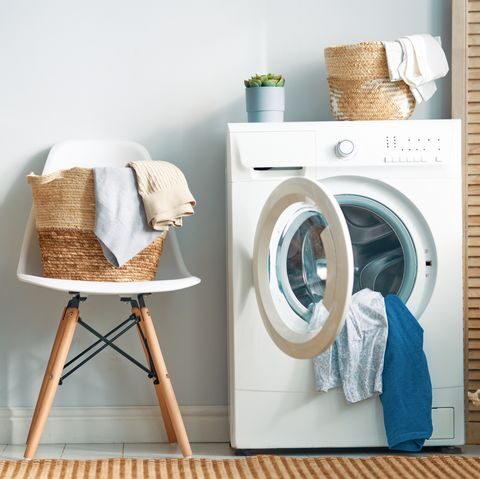
How to Deep Clean a Washing Machine

Whether you have a front-loader or top-loader, you’ll benefit from these cleaning tips.

With all the detergent, fabric softener, body soil and dirt that goes into your washer with each load, anything that’s not removed builds up over time and makes the perfect breeding ground for mold, mildew and odors.

It is of great necessity to clean your washing machine at least once every month and here is how to do it:

  1. Many newer models have a dedicated washer cleaning cycle that presets the time, agitation and water temperature, and all you need to do is simply add bleach. If yours doesn’t have this cycle, add 1/2 cup of liquid chlorine bleach to the dispenser or fill the dispenser to the max line and run a normal cycle with hot water or follow what the manual says. Clean according to package directions. While bleach alone will kill bacteria and mold, it may not dissolve other residues. These washing machine cleaners have ingredients to rid your machine of greasy build-ups and hard water minerals, too.
  1. Once the cleaning cycle is done, run another rinse and spin just to make sure any traces of bleach or particle remnants are completely washed away.
  1. If you have removable dispensers, pop them out, take them apart and rinse them well under hot water. Use a soft toothbrush to dislodge any stuck-on gunk. Wipe dry, reassemble and reinsert them into the machine. If they are still wet, leave them open to thoroughly air dry.
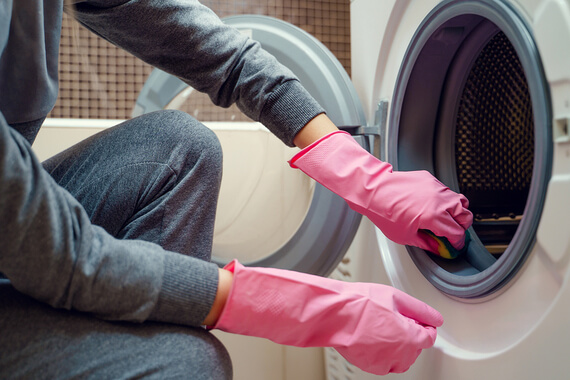
  1. If you have a front-loader, wipe the rubber gasket clean and dry thoroughly to prevent mold. Wipe the drum and door or lid, too, or leave it open to air dry.
How to Deodorize a Smelly Washing Machine

Along with cleaning monthly, make it a habit to leave the machine door open or lift the lid after each use. By doing this, air will circulate and dry out any remaining moisture that can contribute to musty smells. Just make sure that you keep children and pets away from the open machine, as a safety precaution and engage the child lock on your controls if you have one.

  • Take out clean clothes promptly: As soon as a cycle ends, empty the machine to prevent a musty odor from developing in the washtub.
  • Remove any debris or pet hair: If you have a pet that sheds in the house, you’re going to find pet hair in your washer after running several loads. Leave the door open until the pet hair and drum are thoroughly dry. Then, using your vacuum’s soft brush attachment, vacuum out the fur.
  • Dry the gasket: If you have a front loading machine, regularly check the gasket to be sure no small items, like baby socks, are trapped in there and dry it often to keep mold away.
  • Clean the controls: With a damp cloth, wipe the controls, door handle and any drips of detergent or softener you see on the front, sides and top of the machine to keep it looking its best.
READ MORE
dial-b
Blog House Cleaning Upholstery Cleaning Window Cleaning
By Fin Dittimi February 28, 2022

STEPS TO WINDOW CLEANING

The fastest way to wash your windows with crystal clear, streak-free results.

Basic Window Washing Equipment

When cleaning windows, remember that the same high-quality window washing tools the pros use are readily available online, at home centers, and in full-service hardware stores. Here’s what you need:

  • 10 or 12-in. squeegee.
  • A scrubber or a sponge.
  • A bucket (a 5-gallon plastic bucket will work).
  • Dish soap
  • Lint-free rags or small towels.
  • A ladder and a ladder stabilizer 

Keep your squeegee fitted with a sharp, new rubber blade. Purchase two or three extra rubber blades to have on hand. You can get a little more mileage out of blades that aren’t nicked or sliced by simply reversing them to expose a fresh edge. When you store the squeegee, make sure nothing touches the blade.

DIY Window Cleaning Solution

The best homemade window cleaning solution is to just mix two gallons of water and about a teaspoon of dishwashing liquid together in your bucket. Some people also opt to use vinegar and water to clean windows.

In warm weather, you’ll get a little more working time by using cool water. If you’ve procrastinated so long that you’re washing windows in below-freezing temps, add windshield washing solution until the water doesn’t freeze on the glass.

  1. Scrub the Glass

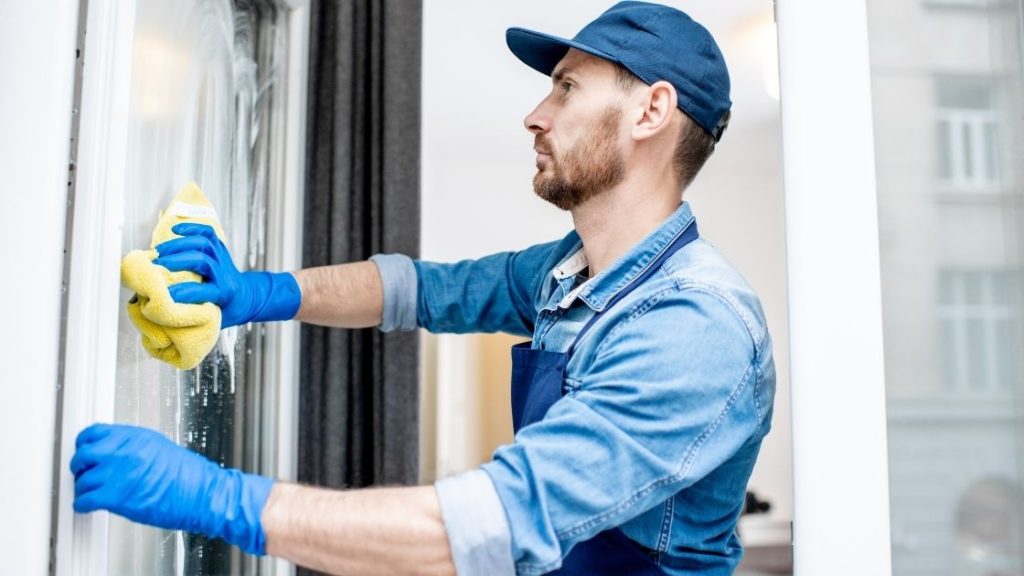
The first step in the exterior window cleaning process is to scrub the glass, working at all angles to clean the edges. Make sure to cover every square inch of the glass. This technique allows you to get great results immediately. We’re moving the squeegee horizontally across the glass, but vertical strokes will work too. If you work vertically, angle the squeegee to direct excess water toward the uncleaned area.

  1. Clean a Starting Strip

Tip the squeegee so that only the corner contacts the glass. Then, starting at the top corner of the glass, clean a narrow strip of glass from top to bottom on one side. This clean strip makes it easier to start the horizontal strokes.

  1. Squeegee Across the Top

Press the squeegee blade against the glass in the upper corner and pull it steadily across the window. Concentrate on keeping the top of the squeegee in contact with the top edge of the window.

  1. Wipe the Squeegee Clean

Wipe the blade on the clean towel in your front pocket or wipe it across the scrubber to remove dirt and excess water.

  1. Work Down the Window

Start again, with the top of the squeegee overlapping the previous stroke about 2-in. Pull the squeegee across the window at an angle to direct excess water down. Wipe and repeat.

  1. Wipe Off Excess Water

The next step in exterior window cleaning is to use the rag in your pocket to wipe up excess water along the bottom edge of the window. Then poke your finger into a dry spot on a separate lint-free rag and run it around the perimeter of the window to remove any remaining suds. Wipe off any streaks using a clean area of the lint-free rag. Change rags when you can’t find any fresh, clean areas.

Tips for Hard-to-Clean Windows

Remove paint specks and labels with a razor blade mounted in a holder. Always use a new blade to avoid scratching the glass. Wet the window first and push the blade across once. Rinse the blade and repeat on the next section to avoid trapping debris under the blade that could scratch the glass. Don’t use a razor blade on tempered glass.

  • Remove tree pitch or bug droppings with a fine (white) nylon scrub pad. Wet the glass first and rub in an inconspicuous area to make sure you’re not scratching the glass.
  • Clean tough glass stains and built-up mineral deposits from shower doors and other glass surfaces using mild household abrasives and an ordinary power drill. Here’s how.
  • Use this glass cleaning solution for tough spots: Add 1/2 cup of ammonia per gallon of water to help remove greasy dirt for a DIY window cleaner
  • Loosen sticky residue left from labels or tape by soaking it with a specialty product like Goof Off. You’ll find Goof Off in the paint department at hardware stores and home centers. Then scrape off the residue with a razor blade

READ MORE
bed
Blog House Cleaning Uncategorized
By Fin Dittimi February 28, 2022

Easy Steps To Deep Cleaning Your bedroom

A messy bedroom makes it hard to find what to wear, and it can even interfere with your sleep.

Your bedroom is a sanctuary, a safe space to go at the end of the day to rest, recharge, and revive yourself. A clean and clutter-free bedroom promotes better focus, increased productivity, and better sleep. A cluttered room is a cluttered mind, and a cluttered mind isn’t going to fall asleep easily.
Here are seven easy steps on how to deep clean your bedroom.

Bedroom cleaning essentials

Cleaning your bedroom without using harmful cleaning products is easy. Here are a few cleaning essentials to get your bedroom clean as a whistle naturally.

Microfiber cloth
Natural laundry detergent
Dryer balls
Baking soda
Vinegar
Natural all-purpose cleaner
Duster

  1. Tidy up, and dust

Start your bedroom-cleaning odyssey with the very basics. First, gather up all the cups of stale water, half-empty cans of soda, and late-night snack bowls you’ve accumulated, and take them to the kitchen. Toss out your bedroom trash, put your dirty clothes in the laundry bin, and hang anything that’s clean. Put any other items that are out of place back in their spots. Now you’re ready to get down and dirty!

Dusting the stuff that’s easiest first might seem like the path of least resistance, but it actually means that all the dust from your ceiling fan is going to cover the dresser you just wiped down. Start from the top, and work your way down for the best results. Grab your duster, and hit the ceiling fan, ceiling and corners, and light fixtures first, then the windows, nightstand, dresser, and whatever other furniture you have. Don’t forget to dust your (fake?) plants!

  1. Spray and wipe down surfaces

After you’ve dusted, take a damp microfiber cloth and your all-purpose cleaning spray to surfaces that see a lot of use, like night tables, the dresser, and your bookcases or shelves. Wipe off any spills, stains, or sticky spots the duster didn’t take care of, and scrape off hardened candle wax with a blade. Scrub your door handles and the places on your doors you touch the most — these areas are prone to a build-up of dirt and oils that make them look grimy over time. They’re also probably rife with bacteria. Your baseboards are another place that gathers dirt, dust, and dead skin like no one’s business, so give ‘em a little microfiber love before you move on.

  1. Wash the sheets, duvet, and pillows

Sheets get mightily gross with all your dead skin and body fluids, so wash your sheets and pillowcases at least every two weeks.

A duvet is bulkier than your bedsheets and takes a bit more finessing to get it really clean. Check the tag for fabric care instructions, then read up on how to wash your duvet for step-by-step directions for getting yours super fresh and cozy again.

Down and feather pillows last longer and are easier to clean than typical poly-fill pillows. Surprisingly, down pillows are generally machine washable and dryable, and also surprisingly, it’s not rocket science. Wash your down pillows every 6 to 12 months.

  1. Clean your mattress

You’ve probably heard by now that humans spend a third of our lives sleeping, which means you spend about six to ten hours on your mattress every day. That’s a lot of time for sweat, dust, drool, dead skin cells and bacteria to seep into your cushy mattress, where millions of dust mites feed on each night’s bounty.
Clean your mattress every six to twelve months. Vacuum it first, then sprinkle the whole thing liberally with baking soda. Let it sit for a few hours to soak up moisture and odors. Vacuum again, and if it’s time, flip and rotate the mattress

  1. Vacuum

Now that all the dust from your ceiling fan and the crumbs from your nightstand and bedsheets are on the floor, it’s time to vacuum them up. Don’t just vacuum the floor you can see— suck out all of the dust and detritus that’s accumulated in the nooks and crannies of your bedroom, too, like the insides of your dresser drawers or nightstand, your windows frames, and between the window and the screen. Dust bunnies love to reproduce in small, dark places like under your bed, dresser, and bookcase, so scoot your furniture out of the way, and give those oft-neglected areas some attention, too. Then, attach the upholstery brush and vacuum your curtains.

  1. Remake the bed

There’s nothing quite as satisfying as hopping into a bed with clean sheets. After you’re done cleaning your bedroom, grab your freshly laundered bedding, and make

the bed. Pro tip: It’s always a good idea to have a backup set of bed linens for those days when you’re doing a deep clean and your regular set of sheets or comforter aren’t out of the dryer by the time you’re ready to hit the sack.

  1. Clean the closet

You only have to go as crazy here as you want to. If your closet is in pretty good shape, just make sure your clothes are hanging properly in the right place and in the right direction. Organize your shoes, and straighten up anything that’s gone topsy-turvy.
If your closet is a disaster in need of an overhaul, fear not. We’ll do this gently. First, get a couple of boxes or a roll of trash bags, and sort your clothes into three piles: donate/sell, recycle, and keep. Put the donate/sell items in one container and the ones you’ll recycle in another (you may need to take them to a facility that accepts textiles.) Hang up the items you’re keeping. A good rule of thumb is if you haven’t worn it in at least three months, you probably don’t need it.

READ MORE
newsinner_20200729133534_1
Blog House Cleaning Uncategorized
By Fin Dittimi February 28, 2022

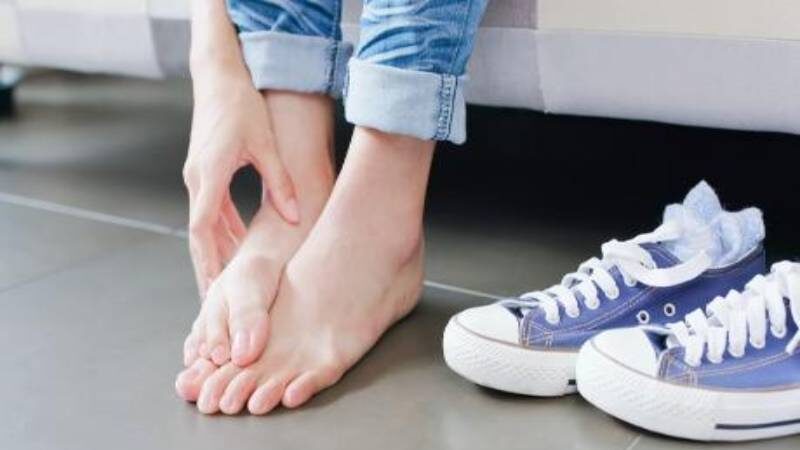
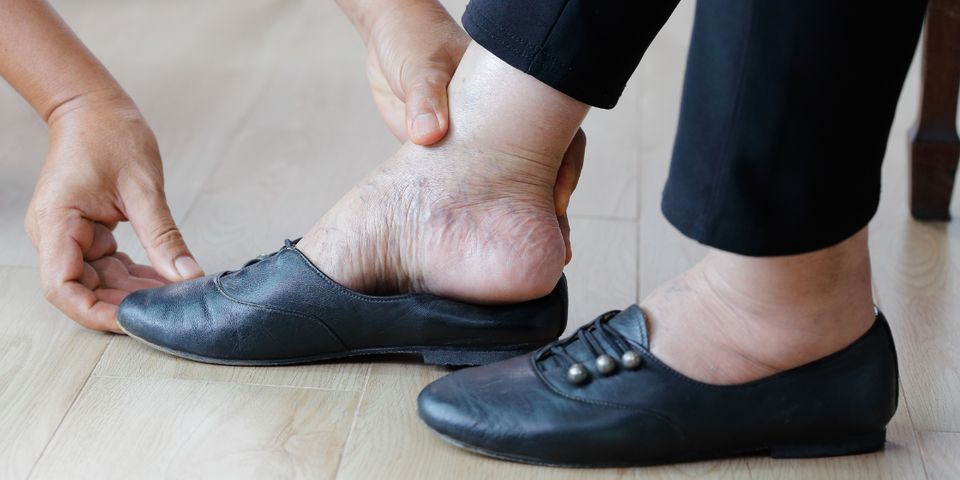
TIPS FOR HEALTHY FEET AND SHOE HYGIENE

Ways To Treat Your Feet and Footwear Right.

With the outbreak of Covid-19 and the number of coronavirus cases on the rise, it is a timely reminder to maintain proper hygiene for a healthier environment. While washing and keeping our hands clean is vital, here are five tips to minimize and keep your exposure to bacteria and viruses to the minimum for healthier feet.

Tip #1: Do Not Wear Your Shoes Indoor

    There are two types of people – those who wear their footwear indoors and those who do not. While seemingly harmless, it’s worth noting that an average shoe sole carries 421,000 different kinds of bacteria including faecal bacteria, E.coli, and many more. Here’s the disturbing and gross fact why you must stop wearing your shoes in your home – poop transfer. 

It has been found that 93 percent of shoes that are worn more than a month contain faecal bacteria on the outsoles. This should not be a surprise as we step on pet waste on public grounds and step on splashes from the washrooms on public restroom floors. 90 percent of these bacteria and other microorganisms are transferred to clean floors instantly when you step into the comfort of your home. Shoes are home to bacteria and can lead to the accumulation of dirt and grime in confined spaces like our home. For parents with small kids crawling around and sticking things into their mouths, it pays to err on the safe side.

While some shoes can be disinfected if they are washable as per the care instructions, let’s face it, how many of us wash our shoes to simply walk indoors.

Solution: Practise a shoeless home and keep them outdoors! Designate an area by your house porch to drop your shoes before entering the house. Invest in a shoe rack to keep things tidy too. If you are still adamant to wear your shoes indoors whatever the reason is – convenience etc, consider investing in an antimicrobial doormat that clears most of the debris and germs on the outsoles.

 Tip #2: Clean Your Shoe Closet

Shoes should be stored in a cool, dry place. Do not literally wait till spring cleaning! It is vital to give your wardrobe (be it a clothes wardrobe or shoe closet) an occasional good clean, declutter and reorganize your footwear. Accumulating a messy pile of shoes attracts germs and here are some hacks on how you can Marie Kondo your shoe wardrobe.

How to clean your closet in 4 steps:

  1. Vacuum the floor around your wardrobe.
  2. Remove all shoes or clothes and perform your KonMari.
  3. Wipe shelves and racks with a microfiber cloth lightly sprayed with water.
  4. Clean your shoes and stuff tissue paper or shoe trees to keep them from sagging or losing their shape over time.

Tips #3: Clean Your Shoes

It can be a hassle when caked-on dirt and loose dirt get stuck on our shoes and just won’t budge, especially on rainy days or if we step over mud.

 Here’s the right tool for everything to get that stubborn dirt off.

  •  Slap the shoes together outdoors to remove loose dirt. Use a toothbrush to brush the dirt off and a butter knife or key to scrape set mud in grooves of your shoes
  • Mix a tablespoon of baking soda (abrasive) and laundry detergent (bleaching agent) and scrub the rubber parts clean with this mixture. Rinse off with water and it will look sparkling clean as before!

If you are looking beyond the general shoe care guide of your shoes, here are some bonus simple cleaning hacks without the expensive products for different types of footwear material.

Note: Always read your shoe care instructions that will provide a more detailed maintenance guide specifically for the shoes.

 Tips #4: Wear Your Socks!

Wear socks made of cotton, wool, or bamboo as they help to absorb moisture and prevent abrasion from the shoes. Plus, It keeps your feet warm and comfy.  Who says you can’t wear socks with sandals or slides? Socks’ fashion is huge these days – you can grace the streets in cute printed socks and team it up with your favorite breezy airy sandals. It protects your feet from dirt too!

READ MORE
covid-1-1
Blog Uncategorized
By Fin Dittimi January 27, 2022

How To Clean and disinfect  High-Contact Surfaces, Such as Doorknobs and light switches

Everyone is well informed about how often the home should be cleaned. This includes mopping the floor, cleaning the kitchen, along cleaning the bathroom. But did you know that there are also other areas in the home that need to be cleaned as well? For example, when did you last clean your doorknobs and light switches?

In this article, we will talk about the proper way of cleaning and disinfecting your doorknobs and light switches in order to stop the spread of viruses that can cause illnesses.

Recently, there is a spread of a new virus called Novel Coronavirus. WHO already confirmed that the spread is worldwide.

Some of the most bacteria-covered spots in your home are the ones you use most often, such as doorknobs and light switches. These frequent-contact surfaces allow easy transmission of cold, flu virus, Norovirus, and more in your household, particularly when the average person’s hands carry at least 3,000 different germs*.

People commonly use disinfecting wipes because they seem convenient, but they often require that surfaces remain wet for up to 10 minutes in order to be effective, and keeping a surface wet with disinfecting wipes can be more difficult than you might think. Many of them contain alcohol, which can cause the liquid to dry quickly. This can make it difficult to keep the surface wet without re-wiping multiple times, resulting in a potential waste of both time and money.

A fast-acting spray-application disinfectant will allow you to disinfect the hard-to-reach areas that wipes can’t, and ensures that the surface remains wet for the proper time so germs are, in fact, killed.

How Often Should Such Areas Be Cleaned?

It is estimated that people, specifically adults, suffer from a cold approximately two to three times a year. Children, on the other hand, contract the illness much more often. The bacteria or viruses that cause these illnesses can live on hard surfaces for so many weeks, so not cleaning as often enough can make you and your family susceptible to such illnesses.

Due to this, experts say that cleaning surfaces such as doorknobs and light switches should be done at least two times a week. Disinfecting these areas is vital in order to make sure that harmful viruses are prevented from spreading onto your home, most especially if it is currently flu season. You can also opt to wipe the switches down with a cleaning product much more thoroughly once every two weeks.

How Do You Clean Your Doorknobs and Light Switches?

In order to clean up these surfaces, you can use a spray-on disinfectant on hard-to-reach areas, or disinfecting wipes. However, make sure that the area remains wet for at least ten minutes. This is in order to make sure that germs and other harmful viruses are gotten rid of. There are a lot of disinfectants available in the market that can get rid of the most common bacteria found in most homes like cold and flu viruses, along with Salmonella and E. Coli. Below are instructions on how to clean your doorknobs and light switches:

  • If dirt or gunk has built up on the surface of your light switches or doorknobs, make sure that you remove them first.
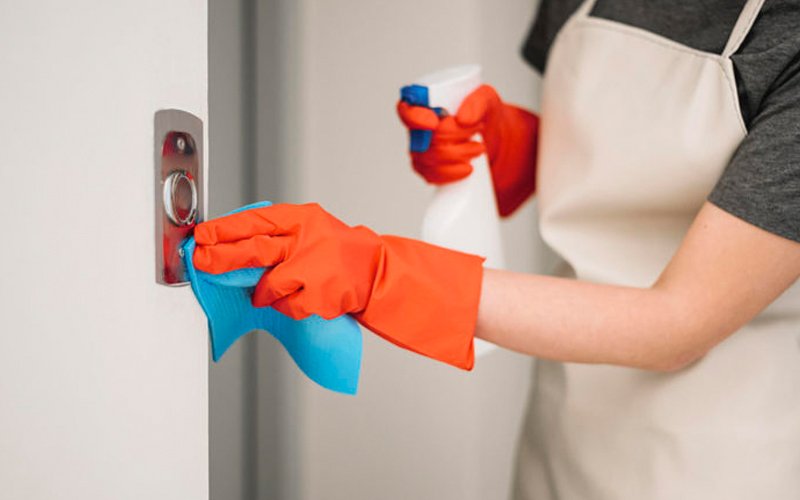
  • Next, spray disinfectant on the surface. Make sure that that area is completely covered with the liquid. This includes the underside handles of the doorknob, and the whole surface of your light switch. Let the product sit on the surface for at least a few minutes, and make sure it stays during that time. Scrubbing the area will not be needed.
  • Lastly, once you’ve let the product sit for a while, you can now wipe it away with a dry and clean cloth. Let it air dry naturally.
READ MORE
Cleaning-Your-Bedroom-Closet
Blog House Cleaning Uncategorized
By Fin Dittimi October 4, 2021

Cleaning Your Bedroom Closet

It’s an area that we’ve merely managed but haven’t given much thought to. And, as it turns out, many of you are having the same issues with keeping this specific closet tidy and organized. It appears that we have much too many things and not enough room, which has been an overarching theme of spring cleaning; 

Prepare Yourself

Now, I’ll tell you right now that this will take time. More than likely a couple of hours. But when you’re through, you’ll be smiling with pride and feel so much better. There’s also a special feeling you get when you give out items you no longer need. 

What You’ll Need

  • A laundry basket
  • A donation bag
  • A recycling bag 
  • A vacuum cleaner with brush and crevice attachments
  • A microfiber cloth
  • Baking soda
  • Closet organization tools (optional)
  • A step stool
  • A mop if your closet has hardwood or tile flooring.

Step 1 – Clear out Your Closet

The first thing we’re going to do is clean out the closet completely. To be able to accommodate the contents in your closet, make sure you have a clear bed and a relatively clean room. If you believe you may run out of space, create some extra accommodations in your room, such as a clear dresser, chair, or clean area on your floor. You will require it.

So, begin by going through the closet section by section, removing all garments, and placing them on your bed. Naturally, I say this for two reasons. First, it’s a large flat surface that will assist you in organizing your clothing, and second, you won’t be able to sleep until this job is completed.

Step 2 – Clean up Your Closet

This is the actual physical cleaning of your closet, which is also fairly simple. You have a completely empty space, and all you need to do now is add your magical touch to it. Closets are rarely (if ever) cleaned. If you’re wondering why your closet smells stuffy, it’s probably because it contains stale air and has carpet that is rarely cleaned. You wouldn’t smell any better either. This is your opportunity to change that. Begin by sprinkling baking soda on the carpet and leaving it for 15 minutes or so to help rid the carpet of odors.

Get your step ladder and climb up to the shelves you can’t reach by hand while the baking soda sits. Vacuum the shelves, then spray and wipe them off with an all-purpose cleaner and a microfiber cloth. Feel free to clean the hanger rods as well.

Then, conclude by vacuuming the carpet, paying special attention to the corners and baseboard.

Step 3 – Sort Your Clothes

OK, take a deep breath. You should be aware that this will most likely be the longest and most arduous portion of the work – but this is where the rubber hits the road – this is your chance to rid yourself of all types of items that are doing nothing but cluttering up your wardrobe. I’m simply being truthful.

Let’s have a brief pep talk about it. Your garments just hang in your closet on a hook that might be used for an item of clothing you really wear. Consider your clothes to be renters, and you to be the landlord (unfortunately, you will not be paid any rent in this situation). You have limited room and want only the best tenants in your building (er, closet). So, if they are deserving renters, retain them. If they are noisy, needy, nagging renters who are always late with their rent, evict them. To put it another way, keep what you like and get rid of what you don’t. Just be truthful. Here are some pointers to consider:

  • Donate any apparel you haven’t worn in the last 12 months.
  • Donate any items that you regularly pass over in your closet.
  • Donate it if you bought it a year ago and haven’t gotten around to wearing it yet.
  • If it fit you two summers ago but not now, donate it.

Your wardrobe should only include things that you really wear – if you don’t wear it, it has no place in your closet.

Place clothing that you want to retain but need to be laundered in your laundry basket.

Don’t give anything that is broken, dirty, or otherwise wrecked beyond repair (big stain, rip, etc.). When things are sorted, even donation centers will dump whatever they don’t want, which ends up in the landfill. Consider turning it into a rag (socks, undergarments, and shirts are ideal) or a fun project (if you are the crafty type). If nothing of these options appeals to you, visit your local animal shelter.

They are always glad and eager to accept old towels, blankets, and usable clothing items (such as tees and sweatshirts) since what small kitten or dog wouldn’t want to snuggle up to something soft?

Step 4 – Organize the Items You Want to Keep

Now it’s time to put the items that have survived the last hour back into the closet.

You can reorganize your things as follows:

  • Pair like items with like items, and comparable sorts of items together.
  • Color code items – span from one end of the color spectrum to the other, which might help you match an ensemble or discover specific clothing (if you want your merlot blouse, you’ll know precisely where to find it).
  • Items you don’t use as often should be kept out of the way, while items you wear frequently should be kept in the spotlight (gowns should be harder to reach, and jeans should be at arm’s reach).

For more information or help on how to clean your bedrooms and closet spaces;

Call Us: 514.629.0841

Address: Montreal, Quebec, Canada

Mail Us: info@dialcleaningservices.com

READ MORE
mirror-cleaning-how-to-no-streaks-1307438
Blog House Cleaning
By Fin Dittimi September 30, 2021

Difference Between Sanitizer And Disinfectant

Although several months have passed since the state of alarm was released, it is still advisable to keep the surfaces disinfected. Just as you have to wear masks and respect a safe distance, experts emphasize that cleanliness in premises and homes is vital to avoid getting COVID-19. Therefore, it is normal that we are more in contact than ever with cleaning products, but do you know what the difference is between sanitizer and disinfectant?

Difference between sanitization, disinfection and cleaning

The main difference between these types of cleaning is their position in the entire cleaning process.

Step 1: Clean

The first thing we have to do is clean the floors with a broom and remove the dust with a cloth or duster when we get going. Cleaning is essentially about removing dust, debris, and surface dirt.

Step 2: Sanitize

After removing that first layer of dirt, it’s time to sanitize. This step consists of using a basic cleaning product that helps us eliminate most of the bacteria in the area.

Step 3: disinfect

To disinfect your home or premises, it will be necessary to use a specific product. In this phase, we will destroy or inactivate all bacteria and viruses on non-porous surfaces, which is why health authorities emphasize that this process considerably reduces the risk of spreading the infection. Depending on the disinfectant product you choose, you will eliminate certain bacteria and viruses, so we recommend checking the label to see if it meets what you are looking for.

Step 4: flavor

It is common for disinfectant products to have a strong smell of alcohol or bleach. To achieve a more pleasant aroma in the room, we recommend finishing the cleaning process with an aromatic product.

To be successful in cleaning, sanitizing and disinfection, they will have to be carried out following the process that we enumerated before, using the appropriate technique and products. For this reason, at Dial Cleaning Services, we have professionals you can trust throughout the cleaning process, ensuring proper monitoring and application.

Why is sanitizer and disinfectant important?

Carrying out proper sanitation and disinfection is very important to keep your home clean and fight any virus or bacteria. For this reason, we suggest that you do not reduce the process only to sanitation since this may not eliminate all contamination, as it does not penetrate all layers of dirt.

Frequency to perform the entire cleaning process

In the highest peaks of infections, we advise you to carry out this process twice a week. By doing this, your home or premises will be impeccable and you will only have to daily affect the disinfectant in those areas most used, such as doorknobs, sink keys and toilets.

Difference between sanitizing and sanitize

The word “sanitize” may sound familiar to you, but don’t worry, this is not another step in the process, but rather the same process as “sanitize”. Both concepts are used to define the use of chemicals to kill germs on objects and surfaces.

To sanitize or sanitize porous surfaces, it is advisable to leave the product to act on the area for a period of time. Please pay attention to the characteristics of the surface where you are going to apply it since some sanitizers contain bleach and could damage varnishes or lacquers.

Tips for a good disinfection

Health authorities recommend the use of viricidal disinfectants as these have shown great efficacy against viruses and bacteria. They can be bought in supermarkets, drugstores, or specialized cleaning businesses.

But remember that when it comes time to apply the product, you need to consider some safety tips. You will have to wear gloves and suitable clothing to clean since these types of products could damage your hands or stain your clothes. In the event that your skin or eyes are in direct contact with the product, clean the area with plenty of water and go to your doctor if it generates any adverse reaction.

How to choose the best disinfectant against COVID-19?

To confirm that the chosen product is valid to eliminate the virus, you will have to look at its label. 

READ MORE
How-to-Care-for-Your-Laptop
Blog Laptop Cleaning
By Fin Dittimi September 29, 2021

How to Care for Your Laptop

If you’re using a laptop, take a moment to think about the last time you cleaned it. I don’t mean a simple sleeve-wipe, but rather a thorough cleaning. Right. Don’t worry, we’ve got you covered.

According to some statistics, computers, especially the keyboard linked to your laptop, have more germs on them than a toilet seat, and when was the last time you spent a couple of hours tapping your fingers all over your toilet seat?

With that in mind, I’ll teach you how to defunkify your laptop. Our technique here is the proper, by-the-books one, not some hack-your-way-to-a-cleaner-laptop thing. This is what the makers instruct us to do. So let’s crack it open and get started.

  • You’ll need Microfiber cloths for this cleaning task – we’ll be using a normal weave microfiber cloth (texture similar to a terry towel) for everything except the screen, which will be cleaned with a flat weave microfiber cloth.
  • Mild dish soap – no aerosol sprays, solvents, abrasives, and, for God’s sake, NO GLASS CLEANER – else you risk ruining your laptop’s finish.
  • Distilled water is the ONLY liquid that should be used on your laptop screen since alcohol or ammonia solutions might harm the finish. We’re using distilled water instead of regular tap water because it won’t leave any streaks – though tap water will also work just fine.
  • Compressed air — for blasting off crumbs from sandwiches, granola bars, cereal bowls, late-night poutine, and crunchy snack mix. Oh, and I nearly forgot about dead skin cells, dust, fingernails, and other such things.
  • Rubbing Alcohol – This should only be used on the keyboard, but it is really effective since it dries rapidly. It’s ideal for removing finger oils. Dish soap and water would be enough, but why not use this if you have it on hand?
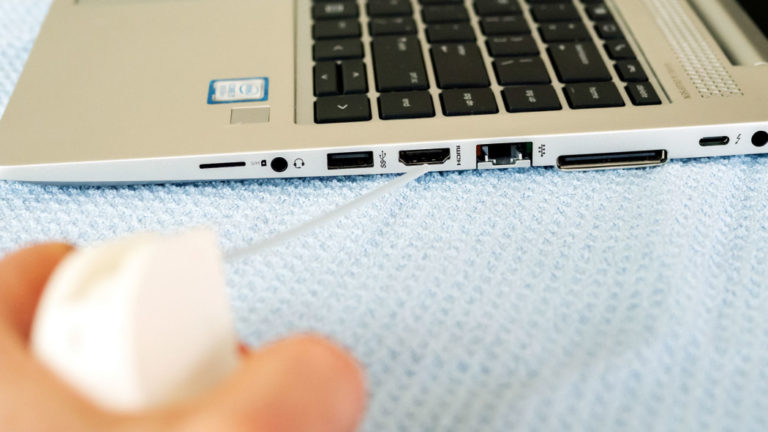
  • Pipe Cleaner – just bend and go to clear up any ports or vents!

Before we begin, there are a few things we should keep in mind when cleaning our laptop;

  • DO fully shut down and power off your laptop, and make sure you disconnect everything from all connections. Why take any chances?
  • DO NOT DIRECTLY SPRAY ANYTHING ON YOUR COMPUTER. This also applies to the outside – you’d be amazed how little moisture it takes to ruin everything inside.
  • DON’T FORGET TO READ YOUR MANUAL. There are general care instructions in the user manual, and if you’ve misplaced yours, visit the manufacturer’s website — if anybody knows how to properly care for your laptop, it’s presumably the folks who built it (and they should know).
  • If you don’t know what you’re doing, don’t remove your laptop keys. My advice is to check Google before pulling off your keys since there have been several horror stories of not being able to get them back on all that easy. So, first and foremost, conduct your study!
  • If your laptop has a fan vent, make sure you clean it. These can become clogged over time, resulting in overheating if air cannot flow into or out of your laptop.

Now that we’ve gotten that out of the way, let’s get to the cleaning.

Clean your Laptop Exterior

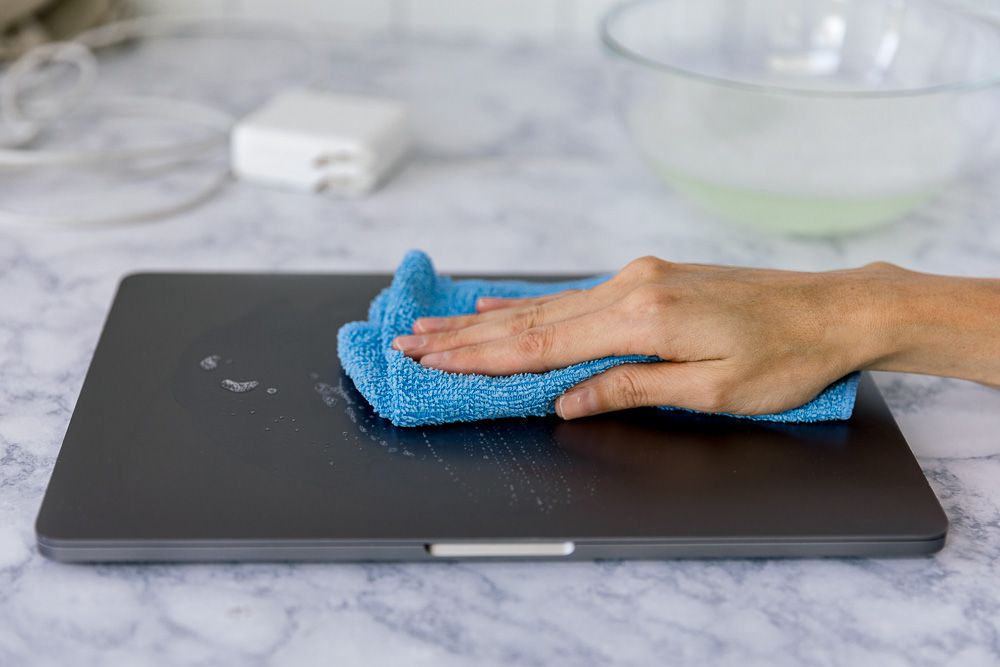
Make a simple solution of 1 cup distilled water and a drop of dish soap, then put your normal weave microfiber fabric into it and wring it out until it is moist and dry. You want to use the least amount of liquid feasible. Then simply wipe clean the exterior case of the laptop, taking care not to get any moisture in the openings or ports. I use a basic “s” pattern and a dry section of the cloth to rapidly buff off any remaining wetness. This should be done on both the top and bottom of the exterior.

How to clean your Keyboard

I’m not going to remove the keys for this cleaning since I don’t think it’s necessary. Compressed air should be sufficient, and if you must reach beneath the keys, a cleaning toothbrush (dry, of course) may be used to brush away any dirt. Hold the laptop upright so that trash falls down rather than back into the keyboard.

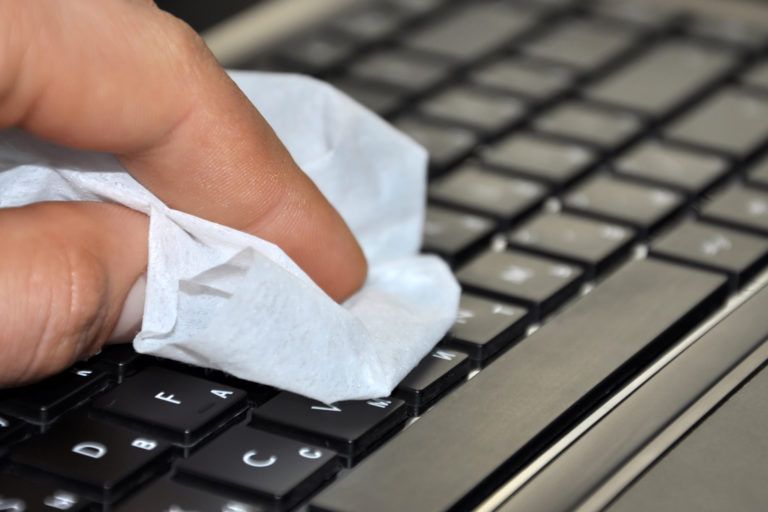
Okay, let’s get back on track. Allow the debris to fall onto a flat surface by tilting your (open) laptop at a slight angle. Take out the compressed air can and begin doing short blasts from top to bottom in the direction you’re tipping the keyboard. A LOT of crumbs and other things (as mentioned above) will start to come out. Gross. Okay, we’re done with it. Once all of the debris has been removed, you may use the same mixture of dish soap and distilled water, or I recommend rubbing alcohol for this chore since it dries SUPER quickly and is just as effective as dish soap on greasy residue. To clean the keys, lightly dampen the corner of a regular microfiber cloth with straight rubbing alcohol or that soap and water mixture, wring it out thoroughly, and carefully wipe the keys, making sure to get all the sides. Working in sections, buff each area dry with a dry section of the cloth. There will be no moisture left behind.

How to clean Laptop Trackpad

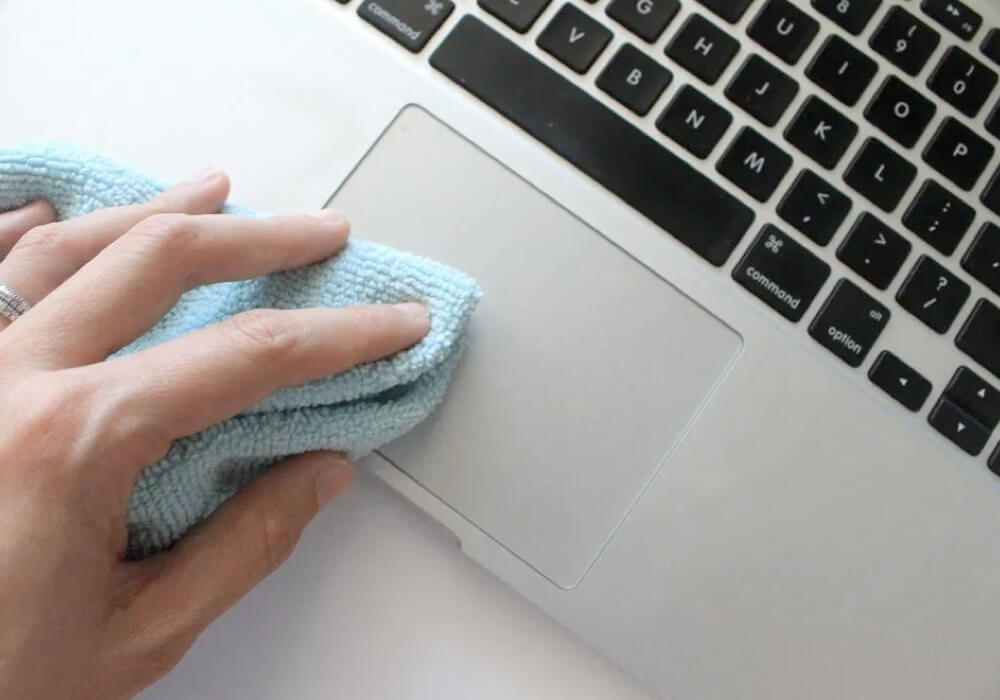
Simply apply the dish soap and distilled water mixture to a regular microfiber cloth and wring it out thoroughly to clean the trackpad and surrounding areas. Work in stages, cleaning the surface with a moist cloth and immediately buffing dry with a dry towel.

How to clean laptop Screen

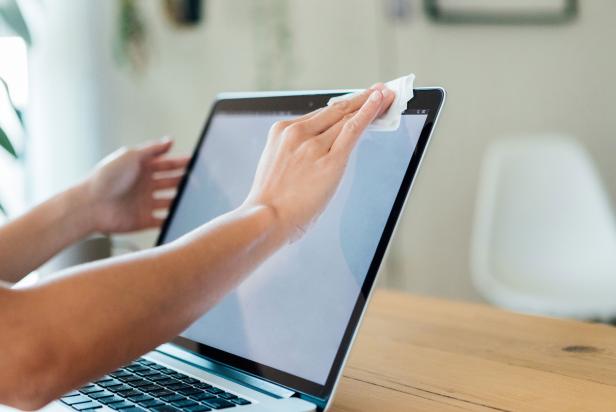
We’re almost there! All you need to wipe the screen is a soft, flat weave microfibre cloth, and that’s it! You don’t need any expensive screen cleaners. You don’t have to worry about scratches since a flat-weave cloth won’t adhere to any debris. Working in parts, carefully wipe out any sticky areas with your pointer finger wrapped in the towel. Your screen should be perfectly clean.

If, for whatever reason, a dry towel cannot remove something from your screen, wet the tiny corner of your flat weave cloth with water, rapidly wipe the sticky area, then buff with a dry piece of the cloth soon after.

You don’t want to tamper with the sophisticated coatings on these screens! A quick note: while tap water is adequate, distilled water is preferable. A bottle may be purchased in a drugstore or a grocery shop for a reasonable price. It is simply water that has had all of its minerals removed.

Vents and ports

These little things, too, require attention. Bend the pipe cleaner and use the best part to gently brush away any dust or dirt from ports if desired. You can also accomplish this using compressed air. Finally, you may use compressed air to blast away junk from your computer’s vent. This is critical since this is where the fan receives its air from, and if it is really dusty, the fan will have to work overtime, and you may not enjoy the consequences of an exhausted fan. Just a thought.

That’s all there is to it! Congratulations, you have successfully cleaned your laptop!

In addition, we also have services cleaning office, hospital cleaning or cleaning of schools, among others. Contact us to request a quote and clarify your various doubts.

Read more:

PRO TIPS FOR CLEANING WINDOWS

For more information and questions on how to care for your laptop or any other electronics;

Call Us: 514.629.0841

Address: Montreal, Quebec, Canada

Mail Us: info@dialcleaningservices.com

READ MORE
10-Hydrogen-Peroxide-Cleaning-Methods
Blog House Cleaning Uncategorized
By Fin Dittimi September 27, 2021

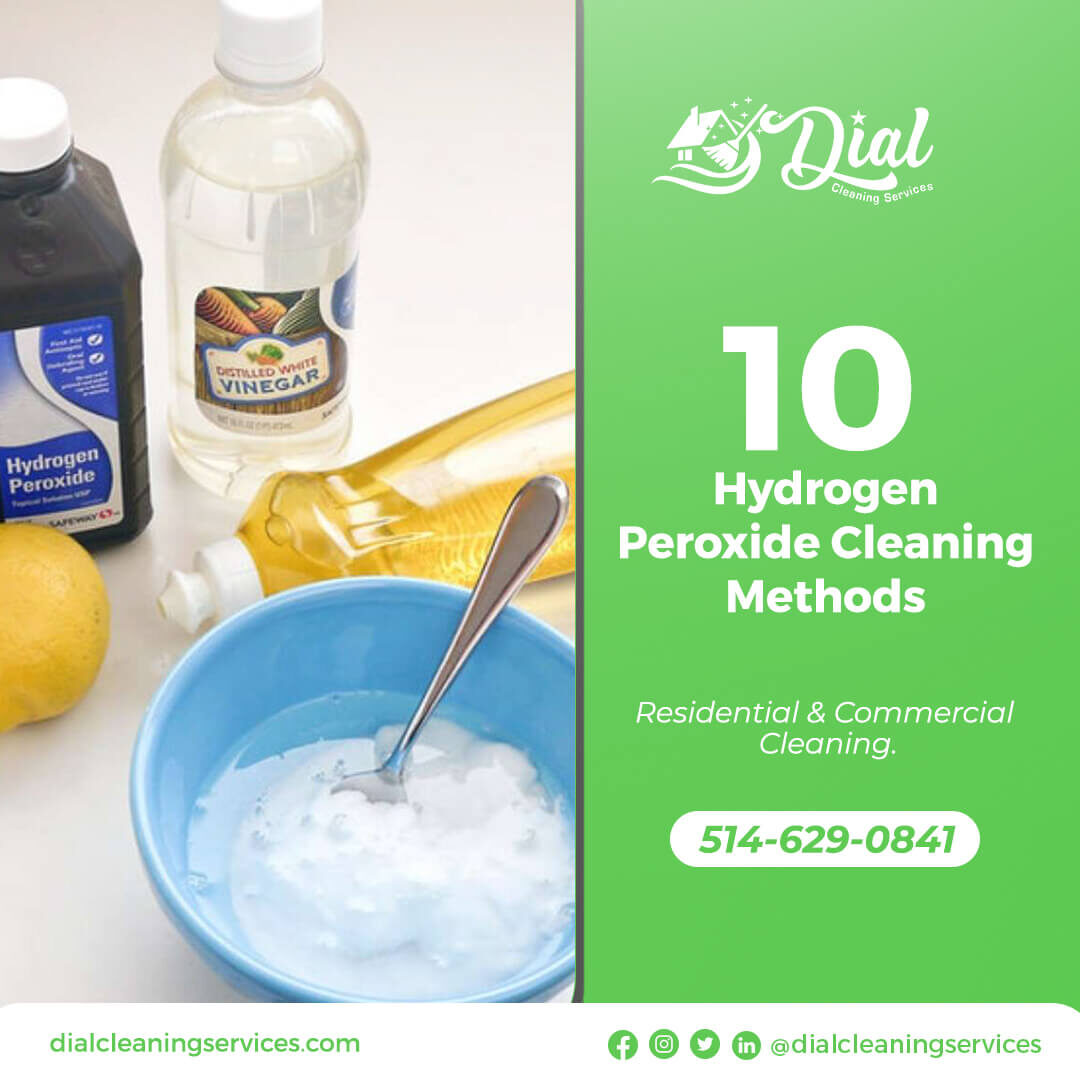
10 Hydrogen Peroxide Cleaning Methods

There is at least one bottle of hydrogen peroxide in many homes—not all or most, but many. It is usually packaged in a brown container because it becomes unstable, separates, and becomes worthless when exposed to sunlight. It’s most commonly found in the first aid aisle while shopping, which is why it’s most commonly utilized as… a first aid product. Well, it has a number of additional applications, particularly in cleaning. According to the Centers for Disease Control and Prevention, hydrogen peroxide is an efficient disinfectant that may kill viruses, bacteria, and other forms of germs.

One quick note: if you prepare any sort of DIY cleaning remedy that includes hydrogen peroxide, make it on the spot and discard it when you’re through. Make only as much as you need because it won’t last long. Oh, and always test it in a hidden area first before using it as a stain remover or whitener to ensure it does not hurt or discolor the surface/garment.

Miracle Stain Remover

A few years ago, a recipe for Dawn Miracle Cleaner went viral on Pinterest. It was two parts hydrogen peroxide to one part Dawn dish soap. To be honest, it may be any dish soap, however, Dawn works very well.

The most essential thing here is to handle the stain like you would any other stain. To begin, remove any leftover debris/liquid by scraping and blotting—always treat a dry stain. Then, using a cleaning toothbrush, carefully brush the stain removal product in (don’t overuse the product or you’ll have to do additional rinsing later). Allow it to sit for 10 minutes before blotting with a clean towel and water to remove the substance (then launder as usual if applicable). This is one of those situations when you should try it first in an inconspicuous location before using it on a soft surface (like a sofa or carpet).

Cleaner for Cutting Boards

Glass cutting boards are very resistant to smells, but wood (and even plastic) may get rather unpleasant with time. If you discover that your cutting board smells, it means that there are bacteria on the surface that has to be removed. Straight hydrogen peroxide is an easy method to deal with it; spray it on the surface, let it sit for 5 to 10 minutes, then scrub your cutting board with soap and water, rinse carefully, and allow it to dry. Straight hydrogen peroxide will surely kill any odor-causing microorganisms.

Garbage Cans

Garbage, recycling, and compost containers can accumulate a strong odor. These items, whether kept inside your house or in your garage, must be handled regularly are several to eliminate residual smells. An excellent approach to deal with them is to first make sure they’ve been cleansed, but then use some pure hydrogen peroxide to eliminate any smells. Allow the dumpsters to rest for about 10 minutes after thoroughly spraying the interiors. Once this time has gone, just wipe them down. If the scents persist, repeat the process a couple more times to return your normally stinky bins to a lovely neutral condition.

Blood Stains

If you acquire a bloodstain on your clothing or mattress, a bottle of hydrogen peroxide is a quick and easy cure. Once a bloodstain has formed, it is quite difficult to remove, therefore always deal with it as soon as possible. Remove the clothing as soon as you discover a bloodstain, apply a small amount of hydrogen peroxide to the area, and you should observe that the bloodstain begins to fade virtually instantly. You may even see some bubbling, which is a good sign! Allow this to rest for a minute before rinsing with cold water. Repeat until the stain has disappeared, then launder the item as usual.

Toilet Plume + Toothbrush = Nasty!

If you don’t know what a toilet plume is… It’s the tiny spray that comes out of your toilet every time you flush it—and sure, if your oral healthcare instruments (toothbrush!) are within acceptable proximity (six feet or so? ), some of that toilet plume will drop on them. To summarize, you may prepare a simple solution of 3 parts water to 1 part hydrogen peroxide and soak any of your dental health care implements in it. Allow objects to soak for up to 30 minutes, then rinse well and air dry to eliminate bacteria. As an aside, before you flush, close that lid.

Kids’ Toys

There are several varieties of children’s toys, as well as numerous methods for cleaning them. However, if you only have a pile of plastic toys—no batteries, no internal parts—there is a very simple technique to clean and sterilize them. Fill a bowl with a liter/quart of water, add 1 cup of hydrogen peroxide (for a 4 to 1 ratio), and soak your toys for around 10 minutes. This will kill the majority of the bacteria and germs that have grown on the toys. To conclude, give them a good rinse and let them air dry.

Makeup Sponges and Blenders

Those of us who use makeup are aware that we must clean our cosmetic equipment on a semi-regular basis. If you use sponges to apply your makeup, these may be quite difficult to clean. First and foremost, I would recommend that you clean them with soapy water. Then, soak for around 10 minutes in a 3 to 1 solution (three parts water to one part hydrogen peroxide). Allow for a 10-minute resting period. This can assist destroy any acne-causing germs that you wish to get rid of. Brushes may be cleaned in soapy water as well, and then sprayed with a little hydrogen peroxide and left for a minute or two.

Washing Produce

If you’re concerned about the cleanliness of your vegetables when you arrive home from the grocery shop, you may make a simple wash. Simply combine a liter/quart of water and 1 cup of hydrogen peroxide in a big mixing basin. Put in all of your produce and soak it for around 5 minutes. This should be enough time for the hydrogen peroxide to kill any germs and/or bacteria that may be present on the surface of your vegetables. Then, and this is critical, thoroughly rinse and dry everything before placing it in the fridge or keeping it on the counter.

Reusable Bags

Do we ever consider washing our reusable bags? Consider where they’ve been: grocery store floors, conveyor belts, vehicle trunks, public transportation floors, kitchen floors, garage floors, and so on. You guessed it: hydrogen peroxide is an easy method to clean them. Toss them in the washer with normal detergent and a cup of hydrogen peroxide in the bleach section. If you just add this to your laundry, you can anticipate your bags to come out not only cleaner, but also free of bacteria, viruses, and other unpleasant stuff.

Grout Whitener

We enjoy using hydrogen peroxide to whiten grout since it is well-known for its ability to whiten. A simple grout whitener formula would be 2 parts baking soda to 1 part hydrogen peroxide. You may combine that in a bowl (remember, just make as much as you need at the time) and then apply it to your unclean grout using a cleaning toothbrush. Allow this to sit for about 5 minutes before retrieving the cleaning toothbrush and scrubbing a little further before washing with a clean cloth (baking soda tends to leave a little bit of grittiness behind so you want to focus on this when rinsing).

Check out our EcoFriendly Cleaning Service In Quebec, Canada.

Call Us: 514.629.0841

Address: Montreal, Quebec, Canada

Mail Us: info@dialcleaningservices.com

READ MORE
Home-Workout-Gear
Blog Uncategorized Upholstery Cleaning
By Fin Dittimi September 24, 2021

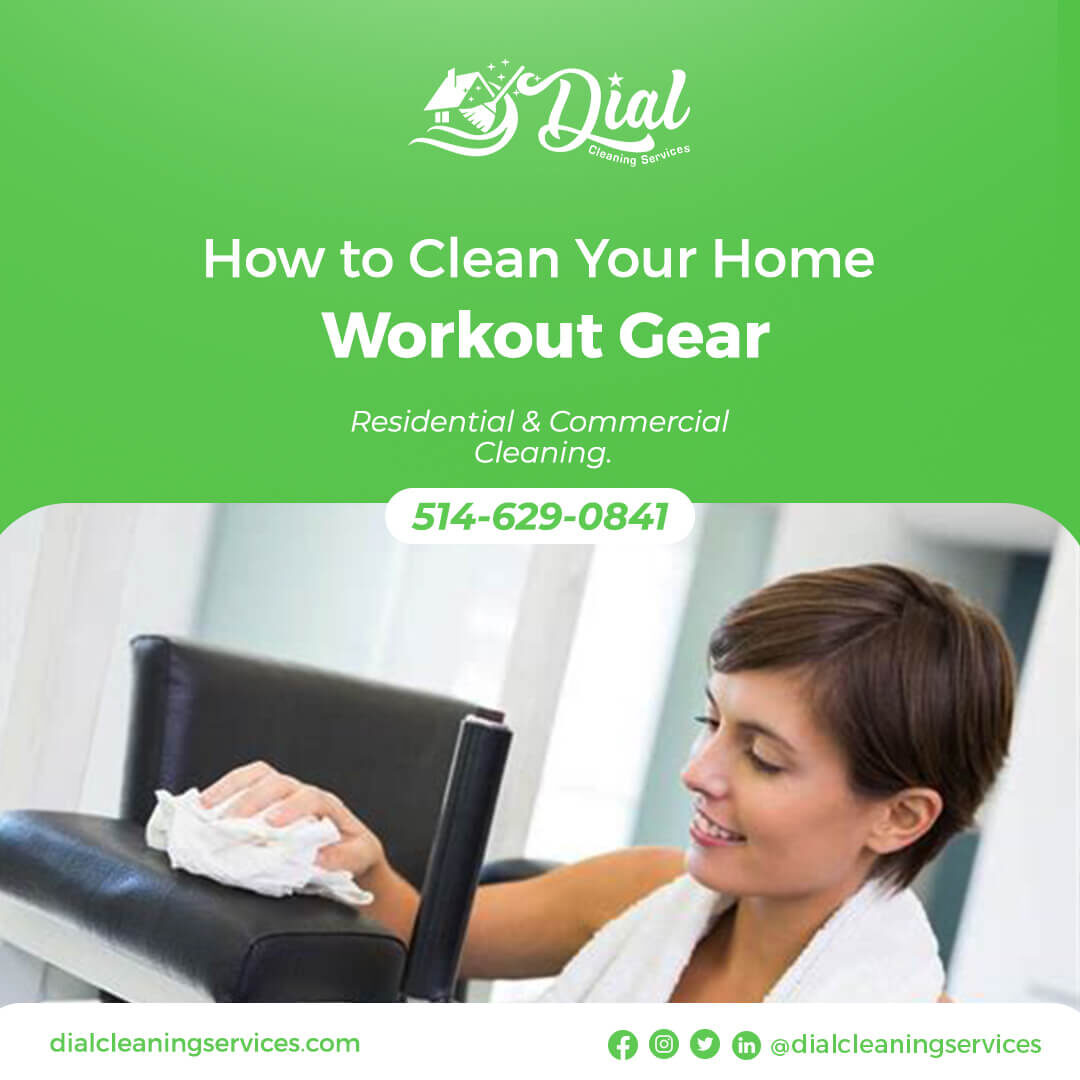
How to Clean Your Home Workout Gear

It’s taking a lot more incentive than normal for us to get our butts in the (home) gym. It’s chilly, it’s dark, and I’d rather be on the sofa than doing crunches. So, in order to eliminate any impediments to your morning sweat, you need to give your gym equipment a thorough cleaning. It’s critical that your at-home workout gear is clean, disinfected, and smells good.

Even though cleaning is the last thing anybody wants to do after a strenuous exercise, failing to do so may cause your equipment to smell, degrade, and even make you sick.

Why You Should Sanitize Your Home Workout Equipment

It’s not like you’re going to the gym and dealing with a bunch of disgusting, sweaty strangers. So why do we still have to clean our workout clothes at home? In a nutshell, bacteria.

Bacteria may be picked up by anyone, and if you don’t wash your hands before using your home gym, you risk spreading it to all of your equipment. HPV, e-coli, streptococcus, and influenzas are some of the most frequent bacteria and germs discovered in gyms. According to a UC Irvine research, germs may survive on gym surfaces for up to three days, giving you plenty of opportunities to infect your family or roommates. Aside from that, germs may cause odors, and no one enjoys grasping grips that smell like stale Doritos.

This is where sanitation comes into play. It does more than merely remove dirt; it also destroys germs. You must clean it after each session if you touch it or sweat it.

What You’ll Need to Clean Your Exercise Equipment

  • Multipurpose wipes.
  • Homemade vinegar solution (water + white vinegar, baking soda optional)
  • Spray disinfectant (like Lysol)
  • Dishwashing liquid.
  • Clean microfiber cloths
  • A mopstick
  • Yoga mat balance spray or a homemade recipe

Keep all of your cleaning supplies nearby in a shower caddy in the corner of your workout area. That way, it’s easy to find.

How to Clean Exercise Equipment

Grab an all-purpose spray after a sweat session on the treadmill or elliptical. Allow a minute for the product of your choice to settle on the surfaces utilized (avoid screens). Then, using a dry clean microfiber cloth, wipe off the handles, bars, and any other frequently handled areas. Take the moistened towel and wipe out other areas of the equipment that become dusty, as well as the occasional leak.

We recommend that you clean your devices after each usage. (Also, unplug your machine just to be safe.)

Cleaning Dumbbells and Weights

Do you even lift at all, bro? If you do, it is important that you clean your weights. Weights come into close touch with the palms of your hands, so whatever germs you pick up will definitely pass to them.

The following is how to clean weights:

  • Fill a basin halfway with water and add some dish soap.
  • Then, dunk your microfiber towel into the soapy water and wring it out to prevent it from dripping.
  • Wipe your dumbbells down.
  • Wipe them down with a dry towel once more.

You might even make the most of your time by doing this during your breaks. Soapy water is effective at eliminating most germs, making it an excellent choice for at-home equipment. If you are concerned about someone becoming ill, bring on the disinfectant for weights or equipment, or get your hands on your favorite brand and put it in your caddy.

How to Care for a Yoga Mat

After you’ve finished downward dogging, you’ll need to clean up the sweat drops that have fallen onto your mat.

Disclaimer: Because yoga mats are made from a variety of materials, make sure to read the directions carefully so you don’t destroy them. If your mat is made of rubber, there are two methods for cleaning it:

  1. Use a store-bought yoga mat balancing spray. To remove perspiration and smells from your mat, spray it down before and after practice,
  2. Alternatively, make your own disinfection spray using water, vinegar, and 10 drops of essential oil of your choice. (like tea tree oil)

Optionally, hang your yoga mat to dry over a shower curtain or outside (but not in direct sunlight).

Remove Your Shoes

Our shoes carry a lot of germs and bacteria with them. That’s why I have a pair of “indoor” training sneakers that have never been worn outside of the home (much like me these days). If you don’t want to do this, simply wipe out the bottoms of your running shoes before beginning your workout.

Clean Your Clothes

When your workout is finished, don’t throw your sweaty Lululemons in the laundry straight away – this can stink up the rest of your garments and perhaps create mold. (No, thank you.) So, if you don’t want your laundry basket to smell like a men’s locker room (and trust me, you don’t), wash your workout clothing as soon as possible. If this isn’t possible, hang them inside out to dry until you can toss them in the washing machine.

Another thing to remember while washing workout clothing is to avoid using fabric softener at all costs. It prevents perspiration and grime from entirely washing away, so if your clothing still has the workout stench after washing, this is most likely the cause. (Hint: the hotter the water, the better it cleans germs.)

Clean Those Floors

You don’t have to mop the floor after every session (unless you want to), but it’s a good idea to take out your mop every now and again to get rid of the muck your shoes bring in.

Check out our EcoFriendly Cleaning Service In Quebec, Canada.

Call Us: 514.629.0841

Address: Montreal, Quebec, Canada

Mail Us: info@dialcleaningservices.com

You may also like:

READ MORE
  • 1
  • …
  • 6
  • 7
  • 8
  • 9
  • 10
  • …
  • 13
Featured author image: How to Deep Clean a Washing Machine

Faith Ileh

Hi! I am an author of this blog. Read Our Post

Recent Posts
  • The Best Carpet Cleaning Services in Montreal
    The Best Carpet Cleaning Services in Montreal
    August 14, 2023
  • Experience the Pinnacle of Cleanliness with Dial Cleaning Service
    Experience the Pinnacle of Cleanliness with Dial Cleaning Service
    August 13, 2023
  • Conquer Dusty Corners Like a Pro! ✨🌿
    Conquer Dusty Corners Like a Pro! ✨🌿
    May 31, 2023
dial 2D

Request A Callback

Quick Links

Menu
  • Our Blog
  • Deep Cleaning
  • Montréal
  • Commercial
  • Residential
  • Privacy Policy
  • FAQ

Get In Touch

514.629.0841

  • Business Hours:
  • 8:00 AM – 6:00 PM
  • 7 Days a Week
Copyright © 2026 Dialcleaningservices | design by fandfconsultancy