logotype
  • About
  • Residential
    • Special Cleaning
    • Carpet Cleaning
    • Window Cleaning
    • Deep Cleaning
    • Apartment Cleaning
      • Sofa Cleaning
      • Yard Cleaning
      • Roof Cleaning
      • Carpet Cleaning
    • Duct Cleaning
    • Upholstery Cleaning
    • Pool Cleaning
    • After Party Cleaning
  • Commercial
    • Office Cleaning
    • Hotel Cleaning
    • Hospital Cleaning
    • Mall & Shops Cleaning
    • Industrial Cleaning
    • Pharmacy Cleaning
    • Premises Cleaning
    • School Cleaning
  • Our Locations
    • Montréal
    • Westmount
    • Ottawa
    • Toronto
  • Contact
CALL US TODAY
logotype
  • About
  • Residential
    • Special Cleaning
    • Carpet Cleaning
    • Window Cleaning
    • Deep Cleaning
    • Apartment Cleaning
      • Sofa Cleaning
      • Yard Cleaning
      • Roof Cleaning
      • Carpet Cleaning
    • Duct Cleaning
    • Upholstery Cleaning
    • Pool Cleaning
    • After Party Cleaning
  • Commercial
    • Office Cleaning
    • Hotel Cleaning
    • Hospital Cleaning
    • Mall & Shops Cleaning
    • Industrial Cleaning
    • Pharmacy Cleaning
    • Premises Cleaning
    • School Cleaning
  • Our Locations
    • Montréal
    • Westmount
    • Ottawa
    • Toronto
  • Contact
CALL US TODAY
  • About
  • Residential
    • Special Cleaning
    • Carpet Cleaning
    • Window Cleaning
    • Deep Cleaning
    • Apartment Cleaning
      • Sofa Cleaning
      • Yard Cleaning
      • Roof Cleaning
      • Carpet Cleaning
    • Duct Cleaning
    • Upholstery Cleaning
    • Pool Cleaning
    • After Party Cleaning
  • Commercial
    • Office Cleaning
    • Hotel Cleaning
    • Hospital Cleaning
    • Mall & Shops Cleaning
    • Industrial Cleaning
    • Pharmacy Cleaning
    • Premises Cleaning
    • School Cleaning
  • Our Locations
    • Montréal
    • Westmount
    • Ottawa
    • Toronto
  • Contact
logotype
logotype
  • About
  • Residential
    • Special Cleaning
    • Carpet Cleaning
    • Window Cleaning
    • Deep Cleaning
    • Apartment Cleaning
      • Sofa Cleaning
      • Yard Cleaning
      • Roof Cleaning
      • Carpet Cleaning
    • Duct Cleaning
    • Upholstery Cleaning
    • Pool Cleaning
    • After Party Cleaning
  • Commercial
    • Office Cleaning
    • Hotel Cleaning
    • Hospital Cleaning
    • Mall & Shops Cleaning
    • Industrial Cleaning
    • Pharmacy Cleaning
    • Premises Cleaning
    • School Cleaning
  • Our Locations
    • Montréal
    • Westmount
    • Ottawa
    • Toronto
  • Contact

Category: Uncategorized

download
House Cleaning Uncategorized
By Fin Dittimi January 20, 2022

How to Clean a Remote Control in Easy Steps

Cleaning Tips

Cleaning might not be the first thing that comes to mind when you look at your TV remote, but it’s essential to know how to clean a remote control properly. 

Cleaning a remote control probably doesn’t come to the forefront of your brain until it’s not working. However, remote controls get grimy.  Remote controls are frequently touched and most times, not with clean hands. We clean our homes and other surfaces, but we forget those tiny but important things that are affected daily and can carry bacteria and viruses. The events of the past 2 years have taught us to pay attention to the tiniest details when it comes to hygiene. Here are some useful tips for cleaning and disinfecting all the remote controls in your home. Viruses and bacteria can live on such surfaces for a few days. 

View this post on Instagram

A post shared by Dialcleaningservices (@dialcleaningservices)

List of Supply needed

  • Spray bottle
  • Alcohol
  • Microfiber cloth
  • Cotton swabs
  • Lysol wipes
  • Gloves
  • Water

Steps on How to clean your remote controls

  1. When it comes to general cleaning of any remote control, you’ll want to look at your user guide if it’s available. 
  1. Wear your disposable gloves
  1. Remove the batteries from the remote control.
  2.  In a spray bottle, mix 30%water and 70% alcohol.
  1. Spray it on the microfiber cloth and clean.
  2. Then you use your Lysol wipe to disinfect or you can clean and disinfect with just your Lysol wipes
  1. For tight spaces, spray the mixture on the cotton swabs and work the areas to remove grime and buildup.
  1. Place the remote on a paper towel to air dry
  1. Remove and dispose the gloves and wash your hands for at least 20seconds.
  1. Replace the batteries and test the remote.

Can You Spray Lysol on a Remote Control?

When applying a disinfectant like Lysol to the remote control, you don’t want to spray it directly onto the controller. Instead, you want to spray the disinfectant onto a cloth and use that to wipe down the remote control.

READ MORE
Cleaning-Your-Bedroom-Closet
Blog House Cleaning Uncategorized
By Fin Dittimi October 4, 2021

Cleaning Your Bedroom Closet

It’s an area that we’ve merely managed but haven’t given much thought to. And, as it turns out, many of you are having the same issues with keeping this specific closet tidy and organized. It appears that we have much too many things and not enough room, which has been an overarching theme of spring cleaning; 

Prepare Yourself

Now, I’ll tell you right now that this will take time. More than likely a couple of hours. But when you’re through, you’ll be smiling with pride and feel so much better. There’s also a special feeling you get when you give out items you no longer need. 

What You’ll Need

  • A laundry basket
  • A donation bag
  • A recycling bag 
  • A vacuum cleaner with brush and crevice attachments
  • A microfiber cloth
  • Baking soda
  • Closet organization tools (optional)
  • A step stool
  • A mop if your closet has hardwood or tile flooring.

Step 1 – Clear out Your Closet

The first thing we’re going to do is clean out the closet completely. To be able to accommodate the contents in your closet, make sure you have a clear bed and a relatively clean room. If you believe you may run out of space, create some extra accommodations in your room, such as a clear dresser, chair, or clean area on your floor. You will require it.

So, begin by going through the closet section by section, removing all garments, and placing them on your bed. Naturally, I say this for two reasons. First, it’s a large flat surface that will assist you in organizing your clothing, and second, you won’t be able to sleep until this job is completed.

Step 2 – Clean up Your Closet

This is the actual physical cleaning of your closet, which is also fairly simple. You have a completely empty space, and all you need to do now is add your magical touch to it. Closets are rarely (if ever) cleaned. If you’re wondering why your closet smells stuffy, it’s probably because it contains stale air and has carpet that is rarely cleaned. You wouldn’t smell any better either. This is your opportunity to change that. Begin by sprinkling baking soda on the carpet and leaving it for 15 minutes or so to help rid the carpet of odors.

Get your step ladder and climb up to the shelves you can’t reach by hand while the baking soda sits. Vacuum the shelves, then spray and wipe them off with an all-purpose cleaner and a microfiber cloth. Feel free to clean the hanger rods as well.

Then, conclude by vacuuming the carpet, paying special attention to the corners and baseboard.

Step 3 – Sort Your Clothes

OK, take a deep breath. You should be aware that this will most likely be the longest and most arduous portion of the work – but this is where the rubber hits the road – this is your chance to rid yourself of all types of items that are doing nothing but cluttering up your wardrobe. I’m simply being truthful.

Let’s have a brief pep talk about it. Your garments just hang in your closet on a hook that might be used for an item of clothing you really wear. Consider your clothes to be renters, and you to be the landlord (unfortunately, you will not be paid any rent in this situation). You have limited room and want only the best tenants in your building (er, closet). So, if they are deserving renters, retain them. If they are noisy, needy, nagging renters who are always late with their rent, evict them. To put it another way, keep what you like and get rid of what you don’t. Just be truthful. Here are some pointers to consider:

  • Donate any apparel you haven’t worn in the last 12 months.
  • Donate any items that you regularly pass over in your closet.
  • Donate it if you bought it a year ago and haven’t gotten around to wearing it yet.
  • If it fit you two summers ago but not now, donate it.

Your wardrobe should only include things that you really wear – if you don’t wear it, it has no place in your closet.

Place clothing that you want to retain but need to be laundered in your laundry basket.

Don’t give anything that is broken, dirty, or otherwise wrecked beyond repair (big stain, rip, etc.). When things are sorted, even donation centers will dump whatever they don’t want, which ends up in the landfill. Consider turning it into a rag (socks, undergarments, and shirts are ideal) or a fun project (if you are the crafty type). If nothing of these options appeals to you, visit your local animal shelter.

They are always glad and eager to accept old towels, blankets, and usable clothing items (such as tees and sweatshirts) since what small kitten or dog wouldn’t want to snuggle up to something soft?

Step 4 – Organize the Items You Want to Keep

Now it’s time to put the items that have survived the last hour back into the closet.

You can reorganize your things as follows:

  • Pair like items with like items, and comparable sorts of items together.
  • Color code items – span from one end of the color spectrum to the other, which might help you match an ensemble or discover specific clothing (if you want your merlot blouse, you’ll know precisely where to find it).
  • Items you don’t use as often should be kept out of the way, while items you wear frequently should be kept in the spotlight (gowns should be harder to reach, and jeans should be at arm’s reach).

For more information or help on how to clean your bedrooms and closet spaces;

Call Us: 514.629.0841

Address: Montreal, Quebec, Canada

Mail Us: info@dialcleaningservices.com

READ MORE
10-Hydrogen-Peroxide-Cleaning-Methods
Blog House Cleaning Uncategorized
By Fin Dittimi September 27, 2021

10 Hydrogen Peroxide Cleaning Methods

There is at least one bottle of hydrogen peroxide in many homes—not all or most, but many. It is usually packaged in a brown container because it becomes unstable, separates, and becomes worthless when exposed to sunlight. It’s most commonly found in the first aid aisle while shopping, which is why it’s most commonly utilized as… a first aid product. Well, it has a number of additional applications, particularly in cleaning. According to the Centers for Disease Control and Prevention, hydrogen peroxide is an efficient disinfectant that may kill viruses, bacteria, and other forms of germs.

One quick note: if you prepare any sort of DIY cleaning remedy that includes hydrogen peroxide, make it on the spot and discard it when you’re through. Make only as much as you need because it won’t last long. Oh, and always test it in a hidden area first before using it as a stain remover or whitener to ensure it does not hurt or discolor the surface/garment.

Miracle Stain Remover

A few years ago, a recipe for Dawn Miracle Cleaner went viral on Pinterest. It was two parts hydrogen peroxide to one part Dawn dish soap. To be honest, it may be any dish soap, however, Dawn works very well.

The most essential thing here is to handle the stain like you would any other stain. To begin, remove any leftover debris/liquid by scraping and blotting—always treat a dry stain. Then, using a cleaning toothbrush, carefully brush the stain removal product in (don’t overuse the product or you’ll have to do additional rinsing later). Allow it to sit for 10 minutes before blotting with a clean towel and water to remove the substance (then launder as usual if applicable). This is one of those situations when you should try it first in an inconspicuous location before using it on a soft surface (like a sofa or carpet).

Cleaner for Cutting Boards

Glass cutting boards are very resistant to smells, but wood (and even plastic) may get rather unpleasant with time. If you discover that your cutting board smells, it means that there are bacteria on the surface that has to be removed. Straight hydrogen peroxide is an easy method to deal with it; spray it on the surface, let it sit for 5 to 10 minutes, then scrub your cutting board with soap and water, rinse carefully, and allow it to dry. Straight hydrogen peroxide will surely kill any odor-causing microorganisms.

Garbage Cans

Garbage, recycling, and compost containers can accumulate a strong odor. These items, whether kept inside your house or in your garage, must be handled regularly are several to eliminate residual smells. An excellent approach to deal with them is to first make sure they’ve been cleansed, but then use some pure hydrogen peroxide to eliminate any smells. Allow the dumpsters to rest for about 10 minutes after thoroughly spraying the interiors. Once this time has gone, just wipe them down. If the scents persist, repeat the process a couple more times to return your normally stinky bins to a lovely neutral condition.

Blood Stains

If you acquire a bloodstain on your clothing or mattress, a bottle of hydrogen peroxide is a quick and easy cure. Once a bloodstain has formed, it is quite difficult to remove, therefore always deal with it as soon as possible. Remove the clothing as soon as you discover a bloodstain, apply a small amount of hydrogen peroxide to the area, and you should observe that the bloodstain begins to fade virtually instantly. You may even see some bubbling, which is a good sign! Allow this to rest for a minute before rinsing with cold water. Repeat until the stain has disappeared, then launder the item as usual.

Toilet Plume + Toothbrush = Nasty!

If you don’t know what a toilet plume is… It’s the tiny spray that comes out of your toilet every time you flush it—and sure, if your oral healthcare instruments (toothbrush!) are within acceptable proximity (six feet or so? ), some of that toilet plume will drop on them. To summarize, you may prepare a simple solution of 3 parts water to 1 part hydrogen peroxide and soak any of your dental health care implements in it. Allow objects to soak for up to 30 minutes, then rinse well and air dry to eliminate bacteria. As an aside, before you flush, close that lid.

Kids’ Toys

There are several varieties of children’s toys, as well as numerous methods for cleaning them. However, if you only have a pile of plastic toys—no batteries, no internal parts—there is a very simple technique to clean and sterilize them. Fill a bowl with a liter/quart of water, add 1 cup of hydrogen peroxide (for a 4 to 1 ratio), and soak your toys for around 10 minutes. This will kill the majority of the bacteria and germs that have grown on the toys. To conclude, give them a good rinse and let them air dry.

Makeup Sponges and Blenders

Those of us who use makeup are aware that we must clean our cosmetic equipment on a semi-regular basis. If you use sponges to apply your makeup, these may be quite difficult to clean. First and foremost, I would recommend that you clean them with soapy water. Then, soak for around 10 minutes in a 3 to 1 solution (three parts water to one part hydrogen peroxide). Allow for a 10-minute resting period. This can assist destroy any acne-causing germs that you wish to get rid of. Brushes may be cleaned in soapy water as well, and then sprayed with a little hydrogen peroxide and left for a minute or two.

Washing Produce

If you’re concerned about the cleanliness of your vegetables when you arrive home from the grocery shop, you may make a simple wash. Simply combine a liter/quart of water and 1 cup of hydrogen peroxide in a big mixing basin. Put in all of your produce and soak it for around 5 minutes. This should be enough time for the hydrogen peroxide to kill any germs and/or bacteria that may be present on the surface of your vegetables. Then, and this is critical, thoroughly rinse and dry everything before placing it in the fridge or keeping it on the counter.

Reusable Bags

Do we ever consider washing our reusable bags? Consider where they’ve been: grocery store floors, conveyor belts, vehicle trunks, public transportation floors, kitchen floors, garage floors, and so on. You guessed it: hydrogen peroxide is an easy method to clean them. Toss them in the washer with normal detergent and a cup of hydrogen peroxide in the bleach section. If you just add this to your laundry, you can anticipate your bags to come out not only cleaner, but also free of bacteria, viruses, and other unpleasant stuff.

Grout Whitener

We enjoy using hydrogen peroxide to whiten grout since it is well-known for its ability to whiten. A simple grout whitener formula would be 2 parts baking soda to 1 part hydrogen peroxide. You may combine that in a bowl (remember, just make as much as you need at the time) and then apply it to your unclean grout using a cleaning toothbrush. Allow this to sit for about 5 minutes before retrieving the cleaning toothbrush and scrubbing a little further before washing with a clean cloth (baking soda tends to leave a little bit of grittiness behind so you want to focus on this when rinsing).

Check out our EcoFriendly Cleaning Service In Quebec, Canada.

Call Us: 514.629.0841

Address: Montreal, Quebec, Canada

Mail Us: info@dialcleaningservices.com

READ MORE
Home-Workout-Gear
Blog Uncategorized Upholstery Cleaning
By Fin Dittimi September 24, 2021

How to Clean Your Home Workout Gear

It’s taking a lot more incentive than normal for us to get our butts in the (home) gym. It’s chilly, it’s dark, and I’d rather be on the sofa than doing crunches. So, in order to eliminate any impediments to your morning sweat, you need to give your gym equipment a thorough cleaning. It’s critical that your at-home workout gear is clean, disinfected, and smells good.

Even though cleaning is the last thing anybody wants to do after a strenuous exercise, failing to do so may cause your equipment to smell, degrade, and even make you sick.

Why You Should Sanitize Your Home Workout Equipment

It’s not like you’re going to the gym and dealing with a bunch of disgusting, sweaty strangers. So why do we still have to clean our workout clothes at home? In a nutshell, bacteria.

Bacteria may be picked up by anyone, and if you don’t wash your hands before using your home gym, you risk spreading it to all of your equipment. HPV, e-coli, streptococcus, and influenzas are some of the most frequent bacteria and germs discovered in gyms. According to a UC Irvine research, germs may survive on gym surfaces for up to three days, giving you plenty of opportunities to infect your family or roommates. Aside from that, germs may cause odors, and no one enjoys grasping grips that smell like stale Doritos.

This is where sanitation comes into play. It does more than merely remove dirt; it also destroys germs. You must clean it after each session if you touch it or sweat it.

What You’ll Need to Clean Your Exercise Equipment

  • Multipurpose wipes.
  • Homemade vinegar solution (water + white vinegar, baking soda optional)
  • Spray disinfectant (like Lysol)
  • Dishwashing liquid.
  • Clean microfiber cloths
  • A mopstick
  • Yoga mat balance spray or a homemade recipe

Keep all of your cleaning supplies nearby in a shower caddy in the corner of your workout area. That way, it’s easy to find.

How to Clean Exercise Equipment

Grab an all-purpose spray after a sweat session on the treadmill or elliptical. Allow a minute for the product of your choice to settle on the surfaces utilized (avoid screens). Then, using a dry clean microfiber cloth, wipe off the handles, bars, and any other frequently handled areas. Take the moistened towel and wipe out other areas of the equipment that become dusty, as well as the occasional leak.

We recommend that you clean your devices after each usage. (Also, unplug your machine just to be safe.)

Cleaning Dumbbells and Weights

Do you even lift at all, bro? If you do, it is important that you clean your weights. Weights come into close touch with the palms of your hands, so whatever germs you pick up will definitely pass to them.

The following is how to clean weights:

  • Fill a basin halfway with water and add some dish soap.
  • Then, dunk your microfiber towel into the soapy water and wring it out to prevent it from dripping.
  • Wipe your dumbbells down.
  • Wipe them down with a dry towel once more.

You might even make the most of your time by doing this during your breaks. Soapy water is effective at eliminating most germs, making it an excellent choice for at-home equipment. If you are concerned about someone becoming ill, bring on the disinfectant for weights or equipment, or get your hands on your favorite brand and put it in your caddy.

How to Care for a Yoga Mat

After you’ve finished downward dogging, you’ll need to clean up the sweat drops that have fallen onto your mat.

Disclaimer: Because yoga mats are made from a variety of materials, make sure to read the directions carefully so you don’t destroy them. If your mat is made of rubber, there are two methods for cleaning it:

  1. Use a store-bought yoga mat balancing spray. To remove perspiration and smells from your mat, spray it down before and after practice,
  2. Alternatively, make your own disinfection spray using water, vinegar, and 10 drops of essential oil of your choice. (like tea tree oil)

Optionally, hang your yoga mat to dry over a shower curtain or outside (but not in direct sunlight).

Remove Your Shoes

Our shoes carry a lot of germs and bacteria with them. That’s why I have a pair of “indoor” training sneakers that have never been worn outside of the home (much like me these days). If you don’t want to do this, simply wipe out the bottoms of your running shoes before beginning your workout.

Clean Your Clothes

When your workout is finished, don’t throw your sweaty Lululemons in the laundry straight away – this can stink up the rest of your garments and perhaps create mold. (No, thank you.) So, if you don’t want your laundry basket to smell like a men’s locker room (and trust me, you don’t), wash your workout clothing as soon as possible. If this isn’t possible, hang them inside out to dry until you can toss them in the washing machine.

Another thing to remember while washing workout clothing is to avoid using fabric softener at all costs. It prevents perspiration and grime from entirely washing away, so if your clothing still has the workout stench after washing, this is most likely the cause. (Hint: the hotter the water, the better it cleans germs.)

Clean Those Floors

You don’t have to mop the floor after every session (unless you want to), but it’s a good idea to take out your mop every now and again to get rid of the muck your shoes bring in.

Check out our EcoFriendly Cleaning Service In Quebec, Canada.

Call Us: 514.629.0841

Address: Montreal, Quebec, Canada

Mail Us: info@dialcleaningservices.com

You may also like:

READ MORE
work-space
Blog Uncategorized Upholstery Cleaning
By Fin Dittimi September 22, 2021

7 Workplace Organization and Cleaning Habits

Working with a cluttered desk hinders my productivity. It has become obvious that it’s necessary to develop some new behaviors in order to find things and not be overwhelmed by clutter. According to research, it takes 21 days to develop a new habit, so commitment to following these practices for three weeks, and sure enough, your office would become a cleaner, more organized space!

Control Paper Clutter

Papers lead to clutter, which leads to a cluttered, unproductive environment. Store all of your stray documents in a file on top of the desk, which you go through every day. That way, if you need to get rid of something or relocate it to a more permanent position, you can either do so or destroy it.

Perpendicular and parallel

Before departing for the day,  line everything up parallel and perpendicular on my desk. This sort of organization is visually appealing and makes the space feel less crowded. As a result, when you get to work each morning, you have an orderly desk everything is in its place.

Wires and chargers should be hidden

Whether it’s going wireless on your keyboard and mouse or simply disguising existing cables in your area, a cord-free environment can drastically improve how clean and neat your place seems. There are a lot of smart devices on the market to assist corral and conceal cables, and utilizing something like a docking station for your cell phone would naturally hide these eyesores as well.

Coffee Cups and Water Bottles

These things have a way of lingering after they’ve been completed. Most offices have a handful of Starbucks cups or dirty ceramic mugs on their desks. Be cautious when disposing of these or returning them to the break room and washing them.

Daily Clutter Removal

Everything in your workplace should have a home, and if it doesn’t, you should either find one for it (ideally out of sight) or get rid of it. Make a thorough sweep of your desktop before you leave each night and return everything to its rightful position; this way, you’ll wake up to a clean workstation.

Cleaning of Spots

Get a general-purpose microfiber cloth ( Maker’s mini takes up less room) on the desk, along with a tiny spray bottle of all-purpose cleaning. This foresight enables you to swiftly spot clean all of the surfaces in your workspace desk, mouse, lamp, and so on—as well as all of the displays, which eventually accumulate dust and fingerprints.

List of Tasks

Finally, while this isn’t really linked to cleaning, it is related to the organization. Create a running to-do list of everything you need to get done that day, including any one-time cleaning chores. This may seem self-evident, but it keeps one on track: what gets scheduled gets done!

These all appear to be easy things, but implementing them on a daily basis can be difficult. Give it the 21-day treatment, and I guarantee you’ll have a much cleaner and more organized, not to mention productive, workplace environment.

Check out our EcoFriendly Cleaning Service In Quebec, Canada.

Call Us: 514.629.0841

Address: Montreal, Quebec, Canada

Mail Us: info@dialcleaningservices.com

READ MORE
HOW-TO-GET-RID-OF-DUST
Blog Uncategorized
By Fin Dittimi September 3, 2021

HOW TO GET RID OF DUST

Nobody wants to live in a dusty house. Not only is it ugly, but it may also cause a slew of health issues in the long term, especially if you or your family are prone to allergies or respiratory issues! Fortunately, by following a few basic rules, it is simple to keep dust to a minimum, if not entirely eliminated. They are as follows:

Get Rid of Clutter

The more knick-knacks and heaps of odds and ends you have lying around your house, the more surfaces for the dust to build on. Keep your floors and furnishings as clean as possible, and you’ll notice a significant reduction in dust in your house.

Rather than carpet, use laminate or hardwood flooring.

Carpet is a great sanctuary for the dust to gather in between threads, and even a thorough cleaning isn’t always enough to get rid of it all. When it comes to dusting, laminate, hardwood, or even tiling is far more manageable. Simply sweep it on a regular basis and give it a thorough cleaning with a dust mop once or twice a week, and you’ll be fine.

Keep all doors and windows closed.

The dust has to come from someplace, doesn’t it? The most common culprits are open doors and windows. Keep them closed as much as possible, and invest in some decent screens to keep the small particles out.

Change your bedding weekly

Dust mites enjoy hiding within your blankets and linens. Wash your bedding once a week to keep them at bay. Invest in a mattress cover for further protection.

Clean From the Top Down

When cleaning your home, start with the highest surface. You’ll be able to capture all of the dust and debris that falls while you clean this manner.

Make Use of Storage Containers

Instead of dumping heaps of clothes and paper into the closet, keep them in airtight containers or plastic bags to avoid dust accumulation.

Purchase an Air Purifier

If you have asthma, allergies, or are just extremely sensitive to dust, you might consider investing in an air purifier that filters airborne dust particles. Unfortunately, a purifier will not remove previously deposited dust or dust mites. Furthermore, for an air purifier to be genuinely efficient, it should be placed in each of your key rooms. It might be pricey, but the peace of mind and simplicity of getting rid of dust is well worth it!

Call Us: 514.629.0841

Address: Montreal, Quebec, Canada

Mail Us: info@dialcleaningservices.com

READ MORE
Microfiber-the-go-to
Blog Uncategorized
By Fin Dittimi September 1, 2021

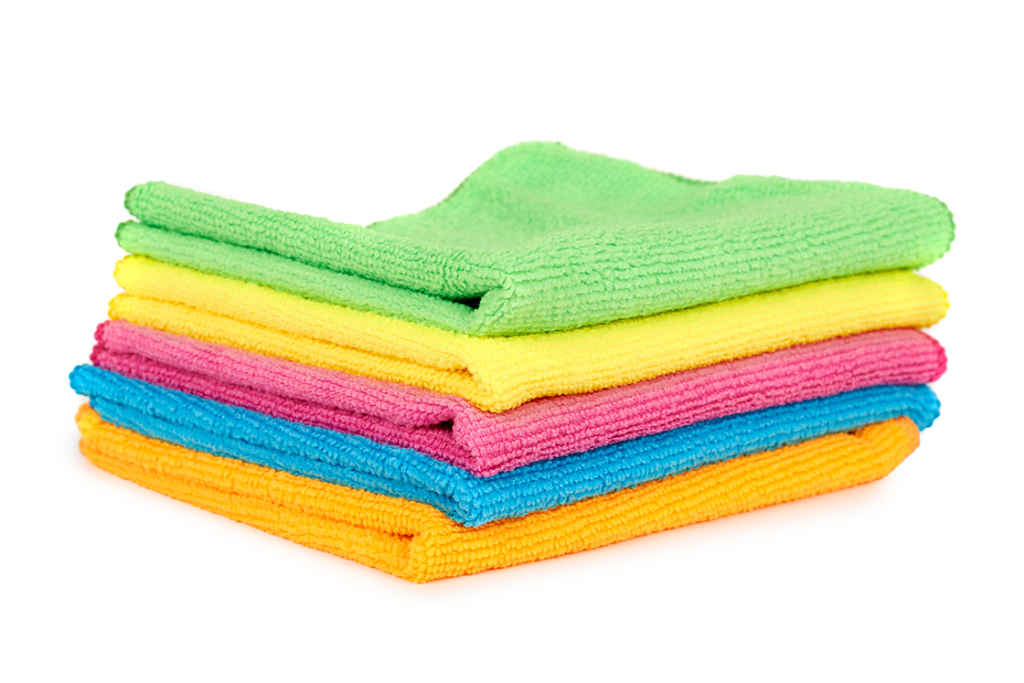
WHY IS MICROFIBER THE GO-TO CLEANING MATERIAL FOR JANITORIAL SERVICES?

Microfiber, often known as a miracle material, is one of the world’s most popular cleaning cloths. If you haven’t already succumbed to the hype, now is the moment. Everyone, especially professional cleaning firms, adores microfiber. Let’s take a look at why microfiber is the industry’s favorite material for getting things clean!

What exactly is microfiber?

To comprehend the advantages of this synthetic substance, we must first comprehend its composition. Microfiber is a nylon and polyester blend. The fibers are finer than human hair. When combined, they form a net that retains more dirt, dust, and moisture than cotton. One of the reasons for its efficacy is its static charge. This sticking effect attracts dirt until the fiber is cleaned.

What can I do with microfiber?

Microfiber is soft enough to use on a variety of surfaces to get a lint-free shine. It’s especially effective on glass, mirrors, and chrome, and it can even be used to clean your car. Because microfibre is made up of millions of microscopic hooks, it attracts all types of dirt, dust, and bacteria in the home. Here are a few of our favorites:

Kitchen: Using your favorite microfiber rag and a little water, remove all the muck and dirt off your kitchen equipment. After a simple wash clean with this wonder material, stainless steel equipment will gleam. You may also use microfiber to clean counters, cabinets, and stovetops. Food remnants, grease, and oil are no match for those minuscule hooks!

Bathroom: Scrub your shower tiles with a microfiber cloth to remove any mildew or soap scum.

Dusting: Microfiber tends to retain dust particles rather than disperse them into the air. You’ll also prevent chemical residue on your surfaces because all you need is a little water.

On your skin: We know it sounds strange, but have you ever considered giving up soap? Microfiber facial wipes are ideal for removing makeup and oil off your face – without the need for soap! Give it a go. We guarantee you’ll never feel so clean again.

Can I use microfiber to clean in a more environmentally friendly way?

Yes, microfiber is ideal for people who want to avoid harsh chemicals entirely. Most cleaning products contain detergents, solvents, and scents. These items can be extremely dangerous to infants and children. However, with microfiber, all you need is a little water to eliminate approximately 99 percent of germs from your home and workplace. Cleaning with water keeps these noxious compounds off your surfaces and out of your lungs. You’ll also save a lot of money on cleaning supplies.

Because microfiber can be reused, you’ll be helping the environment by reducing your usage of paper towels. Paper towel production uses a lot of resources, including trees and water. Consider how many of these you’d need to clean your windows, mirrors, and counters. Microfiber, on the other hand, may be washed hundreds of times without losing its efficacy.

What other advantages does microfibre have?

Aside from its lint-free cleaning ability, microfiber has a plethora of additional advantages. Here are some other advantages:

1) Quicker drying time: When compared to cotton towels and sponges, microfiber dries up to 60% faster. If you just have a few clothes, you won’t have to wait as long to use them after washing.

2) Long-term savings: Good microfiber goods are somewhat more expensive than conventional sponges. However, because microfiber can be washed and reused up to 500 times, you will more than likely recoup your investment in the long term.

3) Greater cleaning power: Microfiber mops have better surface contact with the floor than regular cotton mops due to their net-like structure.

4) Fewer slips and falls: Floors cleaned with a microfiber mop dry significantly faster than traditional mop floors.

5) Hypoallergenic: Because microfiber is unlikely to produce a response, it is ideal for people who suffer from allergies or asthma.

How should I care for my microfiber cloths?

Microfiber cloths must be cleaned correctly to maintain their efficacy and longevity. Fabric softener and washing detergent are two major items to avoid. Chemical products can damage microfibers by destroying their magnetic capacity to attract dust and germs. Although it may appear contradictory, all you need to wash microfiber is water. There is nothing else.

Always remember to wash microfiber on its own. Cotton, for example, should never be washed alongside microfiber towels. Wash without detergent in a cold setting. When the cycle is over, either air dry your microfiber or place it in the dryer on the lowest setting.

If you’re wary of cleaning your house or workplace with harsh chemicals and filthy cotton rags, try switching to microfiber. Millions of people couldn’t be wrong about this ‘miracle substance,’ can they? Invest in a package of high-quality microfiber items that will provide a great clean and last a lifetime for pristine surroundings!

Check the best cleaning service In Montreal, Quebec, Canada.

Call Us: 514.629.0841

Address: Montreal, Quebec, Canada

Mail Us: info@dialcleaningservices.com

READ MORE
Cleaning window
Blog Uncategorized
By Fin Dittimi August 31, 2021

PRO TIPS FOR CLEANING WINDOWS

Cleaning windows is one of the most effective methods to instantly improve the appearance of your house or company. Shiny, dirt-free windows let in natural light, making the interior area appear brighter and, in some cases, larger. When it comes time to clean these window panes, though, many of us rely on the tried-and-true rag-and-Windex method. Although elbow grease appears to be helpful, it is not the greatest method for removing the outside film left by automobiles and pollutants.

Hiring a professional cleaner to get the job done correctly is often the best option. It is, nevertheless, feasible to clean your own windows like an expert. So take a look at our helpful hints and you’ll have squeaky-clean, streak-free windows in no time!

Never use sponges or rags.

As previously said, many of us believe that utilizing a cloth and spray-on solution will suffice. However, this is one of the most ineffective methods of cleaning windows. Sponges and rags, no matter how clean they are, leave a lot of moisture behind. Residual moisture is terrible for windows because it will almost always leave a visible film behind, even after it dries. This film will be less visible in low light, but it is clearly visible in direct sunlight.

The fewer suds, the better.

The idea that more suds equals cleaner windows is debunked. Excessive suds produce a greasy coating that is difficult to remove. A modest bit of dishwashing liquid in a warm pail of water is recommended by many experts. Soak the caked-on filth and knock it loose using a horizontal sponge applicator with a comfortable handle.

Use a squeegee at all times.

If you want your windows to seem like they were cleaned by a professional, you must use a high-quality squeegee. This useful gadget is the most effective method to prevent all that leftover wetness. After cleaning the windows with warm water and detergent, use a squeegee to remove all of the residues. The professionals always squeegee side to side rather than up and down. This is due to the fact that it is simpler to maintain the same squeegee pressure when moving in this direction.

Pull the squeegee straight across from left to right, beginning at the top. Wipe the blade with a dry cloth after each stroke. If you use a lint-free rag, your squeegee will leave tiny dust particles on your windows. For this sort of labor, cloth diapers or linen napkins are ideal.

Even if cleaning your own windows is a simple chore, you may wish to employ a professional.

Hire a professional To clean your Window. Book now:

Call Us: 514.629.0841

Address: Montreal, Quebec, Canada

Mail Us: info@dialcleaningservices.com

READ MORE
bugs
Blog Uncategorized
By Fin Dittimi August 27, 2021

How to Keep Spiders and Bugs Out Of Your House

Let’s face it: bugs and spiders are revolting. That implies we want them to be as far away from our houses as possible. The summer months are especially awful for flies, mosquitos, and other creepy crawlies. Many of us prefer to leave the windows and patio doors open to let fresh air enter. However, this increases the likelihood of spiders and pests invading your home’s interior.

So, how can you keep those creepy crawlies at bay without utilizing chemicals that are hazardous to your family? Continue reading to find out!

  1. Screens

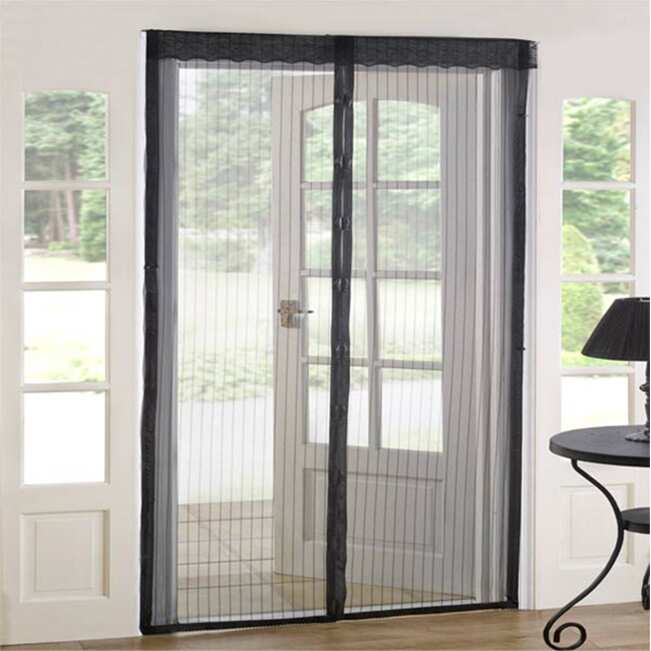
Patio screens may appear to be an expensive initial purchase, but they are well worth it. When your doors are open, these screens slide back and forth along the frames, acting as a barrier between you and the outside elements. Screens enable fresh air to enter your house while keeping insects and spiders outdoors, where they belong. If you don’t want to hire a contractor to install bespoke screens, you may simply buy a screen kit at large box home improvement stores.

  1. Peppermint Spray

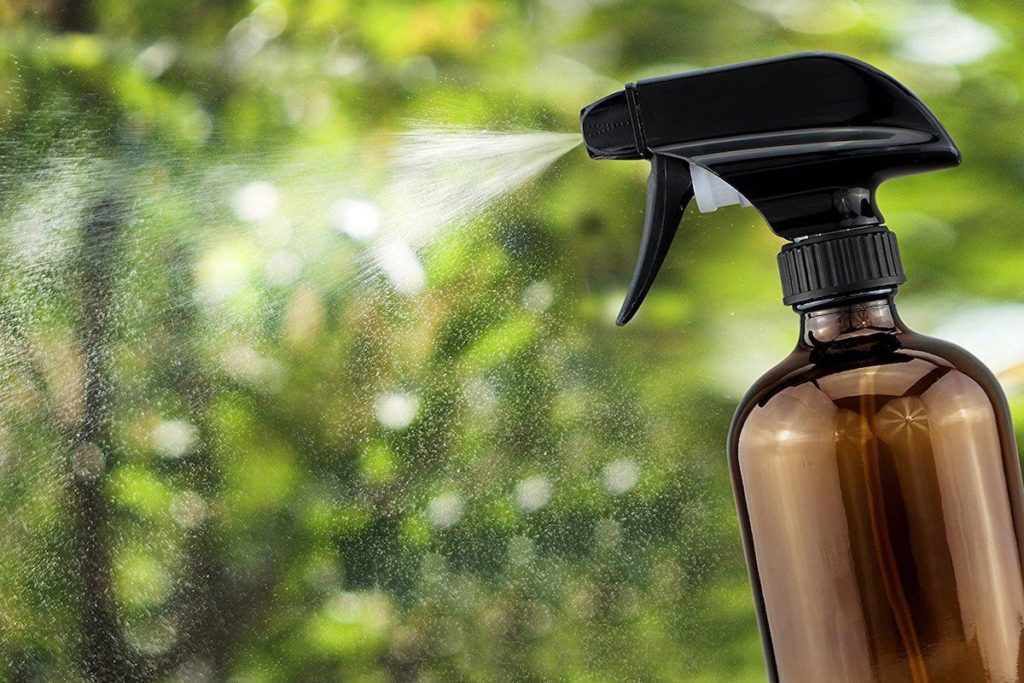
Here’s an interesting fact: Bugs and spiders despise the fragrance of peppermint! Purchase some essential peppermint oil and spritz it about your home. If you’re having a barbecue outside, spray some at the base of the chairs and table as well. This will keep the pests at bay while also leaving your home smelling minty fresh!

  1. Insect-repellent coils

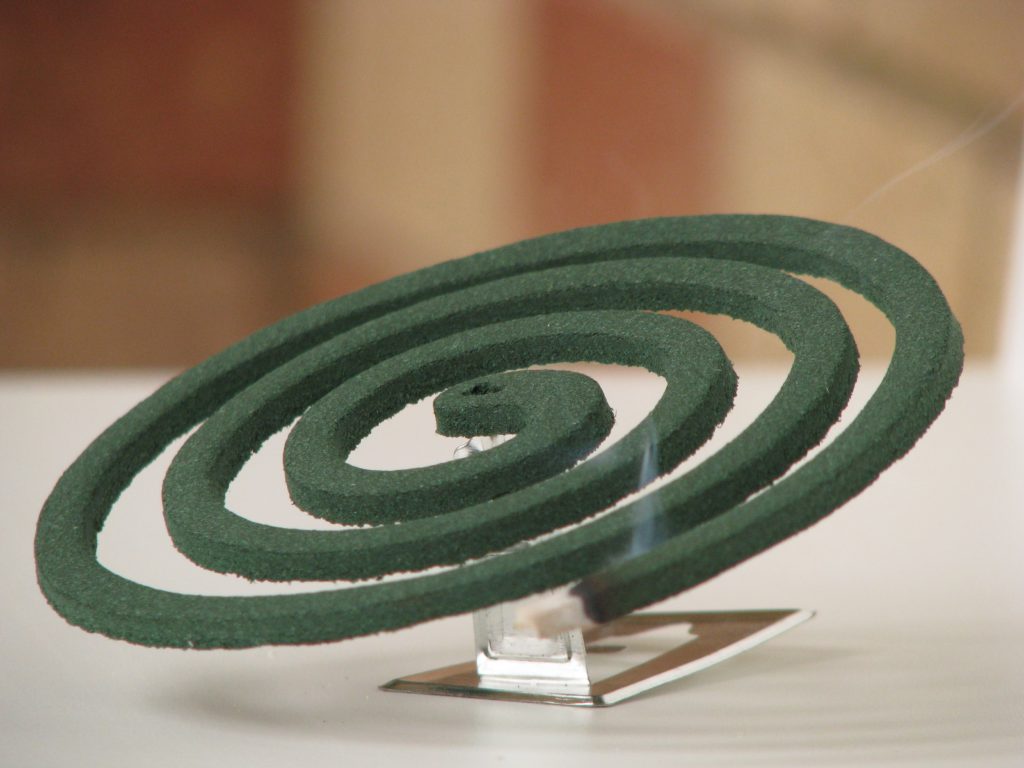
Mosquito coils are an excellent method to keep these pesky insects at away. These coil-shaped rings are lighted on one end and then burn to emit incense. As long as there is sufficient air circulation in your house, the odor will not be overwhelming or bothersome.

  1. Repellent Sprays

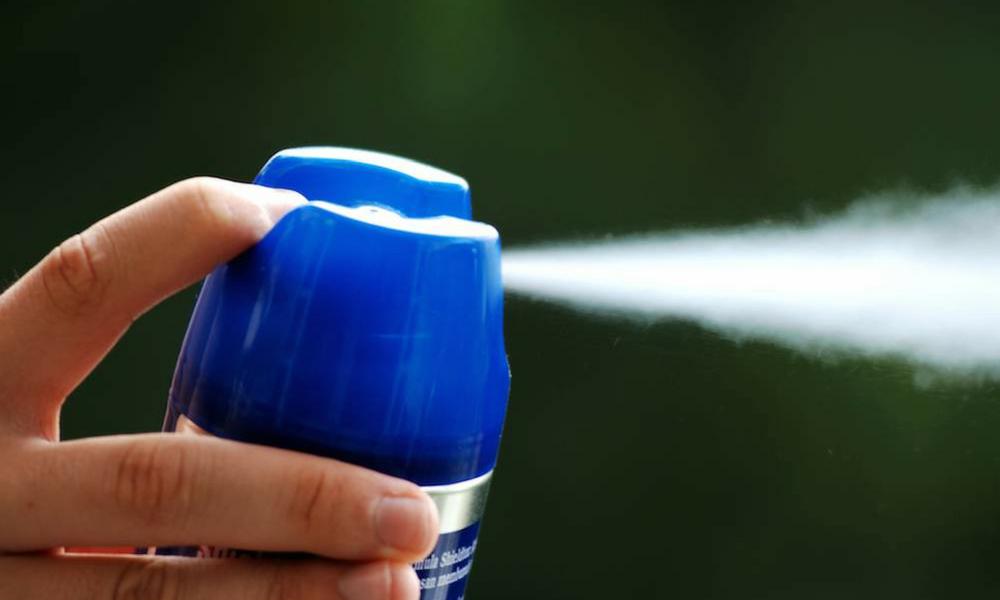
Popular insect repellents, such as OFF!, perform quite effectively. Purchase a household spray and liberally apply it on window sills, patio furniture, and baseboards. Spiders and bugs are known to congregate in these locations. Although the odor is imperceptible to humans, crawly critters are extremely sensitive and will avoid your home as soon as they smell it.

  1. Maintain a regular cleaning schedule.

It is well known that spiders and bugs prefer cluttered environments. This is why you must maintain a clean home at all times. Pests are attracted to leftover food, dirt, and dust. Keep them away by tidying up, especially after meals. Also, remember to take out the trash regularly and to avoid leaving domestic waste containers exposed for extended periods.

Contact us today for professional help

Call Us: 514.629.0841

Address: Montreal, Quebec, Canada

Mail Us: info@dialcleaningservices.com

READ MORE
hjhg
Blog Uncategorized
By Fin Dittimi August 25, 2021

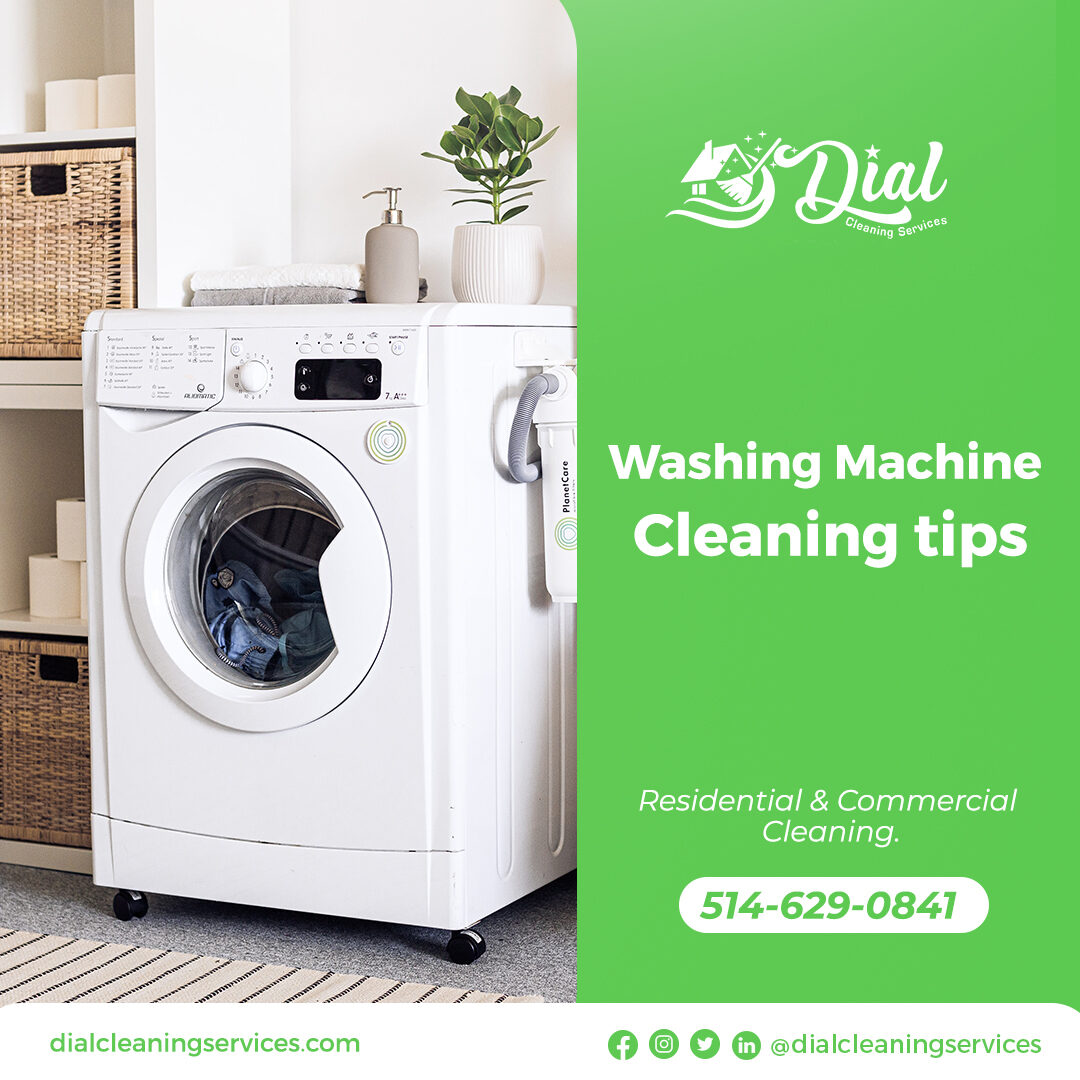
Washing Machine Cleaning Tips

While most individuals rely on washing machines to keep their clothing clean, just a few prioritize washer cleaning. Your machine, like your clothing, has to be cleaned regularly. Some individuals believe that the detergent they use to clean their clothing also cleans the washing machine. On the contrary, certain detergent residues may contaminate the machine. Laundry dirt, hard water, and chemicals can all produce a buildup in the washer’s inner workings.

Your washing machine will begin to smell if it is not properly cleaned. Leaks, poor cleaning outcomes, and damage can all be caused by poor maintenance. So, how do you keep your washing machine clean and operational? Here are some of the best house cleaning methods you may use monthly. Let’s start with what you’ll need for the job.

Tools

  • Toothbrush
  • Microfibre cloth
  • Towel or cloth
  • Soft brush

Materials

  • Baking soda
  • White vinegar or bleach.

1. Empty the Laundry Detergent Drawer

Remove the detergent drawer before cleaning a front-loading washing machine. Excess detergent can build up in detergent drawers, clogging drains over time. It is also a breeding ground for bacteria and might pose a health risk. A soiled detergent drawer might harm the way your clothes are cleaned. Remove the detergent drawer and soak it in warm water to achieve the greatest results. Then, using a toothbrush, remove any remaining residue. Don’t forget to clean out the cavity as well. After cleaning, apply an antibiotic spray to eliminate any remaining germs.

2. Remove and clean the door seal or rubber gasket.

Before cleaning the drum, clean the rubber bands that run over it. The rubber gasket attracts fluff from clothing and, if allowed to accumulate, becomes difficult to remove. To achieve the best results, clean the seal with a wet cloth before and after each wash to guarantee that your machine does not take up new filth every time you use it. Scrub anything that clings to it and spray the bands with an antibacterial disinfectant during your regular monthly cleaning regimen.

3. Wash the Drum

Even though the inside of the machine seems clean, you should still clean it since some numerous nooks and crevices might harbor bacteria. The simplest approach to ensure it is clean and germ-free is to run an empty wash after a few months. Combine the baking soda and hot water in a mixing bowl, and then set the machine on the hot water cycle. This will disinfect the washer and eliminate any unpleasant odors. You may also substitute vinegar for baking soda. After finishing the wash, keep the machine door open to allow the drum to dry.

If you have dogs in your home, there is a good probability that your machine retains pet hair. The quickest approach to remove pet hair is to let the drum dry fully before vacuuming it out with a gentle brush.

4. Examine the Inlet Hose Filter

The filter keeps dirt, tissues, hair, and minerals from contaminating your cycle. If left unchecked, it might clog, preventing the free passage of water into your washer for a new cycle. The filter is usually located at the front of the washing machine, concealed by a hinged cover.

Turn off the water and remove the hatch to clean the filters (hinged cover). Remove anything that has been collected on the filter. Additionally, inspect the cavity to ensure that any trapped material has been removed. Then, using a cloth or a dish towel, clean down the filter.

5. Clean the Outside

When you’re through cleaning the interior, don’t forget to wipe the surface of the washing machine with a moist towel. Avoid using solvents or abrasive cleansers, which can harm or scrape the appliance’s surface.

6. Consistent Cleaning

Cleaning your washing machine regularly is one of the most basic, but useful, housekeeping recommendations. A custom machine cleaning cycle is included in the majority of modern washing machines. If your machine does not have a personalized cleaning plan, add chlorine bleach into the dispenser and perform an empty wash with hot water. You can also use specialized cleaners.

It is not necessary to clean the washing machine fully after each wash. However, there are a few simple steps you can do to ensure the washer operates properly in between usage. Remove all clothing immediately after each wash. Emptying the washing machine after each cycle prevents odors from forming in the washtub. The odor is easily transmitted to your clothing. In addition, you should keep the door slightly ajar to enable free passage of air, which will help to dry off any leftover moisture.

Conclusion

It makes no financial sense to invest a lot of money on a washing machine and then ignore it. Use the following home cleaning techniques to ensure that your machine decontaminates your clothing for many years. Cleaning your washing machine regularly will not only keep it operating but will also save you money on repairs.

Before using the following home cleaning suggestions, be sure to read your washing machine’s user handbook. Use the proper detergent as well. Powder detergents are typically the best option. Some hand wash detergents, such as liquid softeners or additional suds, may leave residue on your automated washing machine, reducing its lifetime.

If you are unable to keep a regular cleaning schedule, you might consider hiring a cleaning service.

Contact us today for professional help

Call Us: 514.629.0841

Address: Montreal, Quebec, Canada

Mail Us: info@dialcleaningservices.com

READ MORE
  • 1
  • 2
  • 3
  • 4
Featured author image: How to Clean a Remote Control in Easy Steps

Faith Ileh

Hi! I am an author of this blog. Read Our Post

Recent Posts
  • The Best Carpet Cleaning Services in Montreal
    The Best Carpet Cleaning Services in Montreal
    August 14, 2023
  • Experience the Pinnacle of Cleanliness with Dial Cleaning Service
    Experience the Pinnacle of Cleanliness with Dial Cleaning Service
    August 13, 2023
  • Conquer Dusty Corners Like a Pro! ✨🌿
    Conquer Dusty Corners Like a Pro! ✨🌿
    May 31, 2023
dial 2D

Request A Callback

Quick Links

Menu
  • Our Blog
  • Deep Cleaning
  • Montréal
  • Commercial
  • Residential
  • Privacy Policy
  • FAQ

Get In Touch

514.629.0841

  • Business Hours:
  • 8:00 AM – 6:00 PM
  • 7 Days a Week
Copyright © 2026 Dialcleaningservices | design by fandfconsultancy