logotype
  • About
  • Residential
    • Special Cleaning
    • Carpet Cleaning
    • Window Cleaning
    • Deep Cleaning
    • Apartment Cleaning
      • Sofa Cleaning
      • Yard Cleaning
      • Roof Cleaning
      • Carpet Cleaning
    • Duct Cleaning
    • Upholstery Cleaning
    • Pool Cleaning
    • After Party Cleaning
  • Commercial
    • Office Cleaning
    • Hotel Cleaning
    • Hospital Cleaning
    • Mall & Shops Cleaning
    • Industrial Cleaning
    • Pharmacy Cleaning
    • Premises Cleaning
    • School Cleaning
  • Our Locations
    • Montréal
    • Westmount
    • Ottawa
    • Toronto
  • Contact
CALL US TODAY
logotype
  • About
  • Residential
    • Special Cleaning
    • Carpet Cleaning
    • Window Cleaning
    • Deep Cleaning
    • Apartment Cleaning
      • Sofa Cleaning
      • Yard Cleaning
      • Roof Cleaning
      • Carpet Cleaning
    • Duct Cleaning
    • Upholstery Cleaning
    • Pool Cleaning
    • After Party Cleaning
  • Commercial
    • Office Cleaning
    • Hotel Cleaning
    • Hospital Cleaning
    • Mall & Shops Cleaning
    • Industrial Cleaning
    • Pharmacy Cleaning
    • Premises Cleaning
    • School Cleaning
  • Our Locations
    • Montréal
    • Westmount
    • Ottawa
    • Toronto
  • Contact
CALL US TODAY
  • About
  • Residential
    • Special Cleaning
    • Carpet Cleaning
    • Window Cleaning
    • Deep Cleaning
    • Apartment Cleaning
      • Sofa Cleaning
      • Yard Cleaning
      • Roof Cleaning
      • Carpet Cleaning
    • Duct Cleaning
    • Upholstery Cleaning
    • Pool Cleaning
    • After Party Cleaning
  • Commercial
    • Office Cleaning
    • Hotel Cleaning
    • Hospital Cleaning
    • Mall & Shops Cleaning
    • Industrial Cleaning
    • Pharmacy Cleaning
    • Premises Cleaning
    • School Cleaning
  • Our Locations
    • Montréal
    • Westmount
    • Ottawa
    • Toronto
  • Contact
logotype
logotype
  • About
  • Residential
    • Special Cleaning
    • Carpet Cleaning
    • Window Cleaning
    • Deep Cleaning
    • Apartment Cleaning
      • Sofa Cleaning
      • Yard Cleaning
      • Roof Cleaning
      • Carpet Cleaning
    • Duct Cleaning
    • Upholstery Cleaning
    • Pool Cleaning
    • After Party Cleaning
  • Commercial
    • Office Cleaning
    • Hotel Cleaning
    • Hospital Cleaning
    • Mall & Shops Cleaning
    • Industrial Cleaning
    • Pharmacy Cleaning
    • Premises Cleaning
    • School Cleaning
  • Our Locations
    • Montréal
    • Westmount
    • Ottawa
    • Toronto
  • Contact

Tag: apartment cleaning

reno
Blog
By Fin Dittimi September 13, 2021

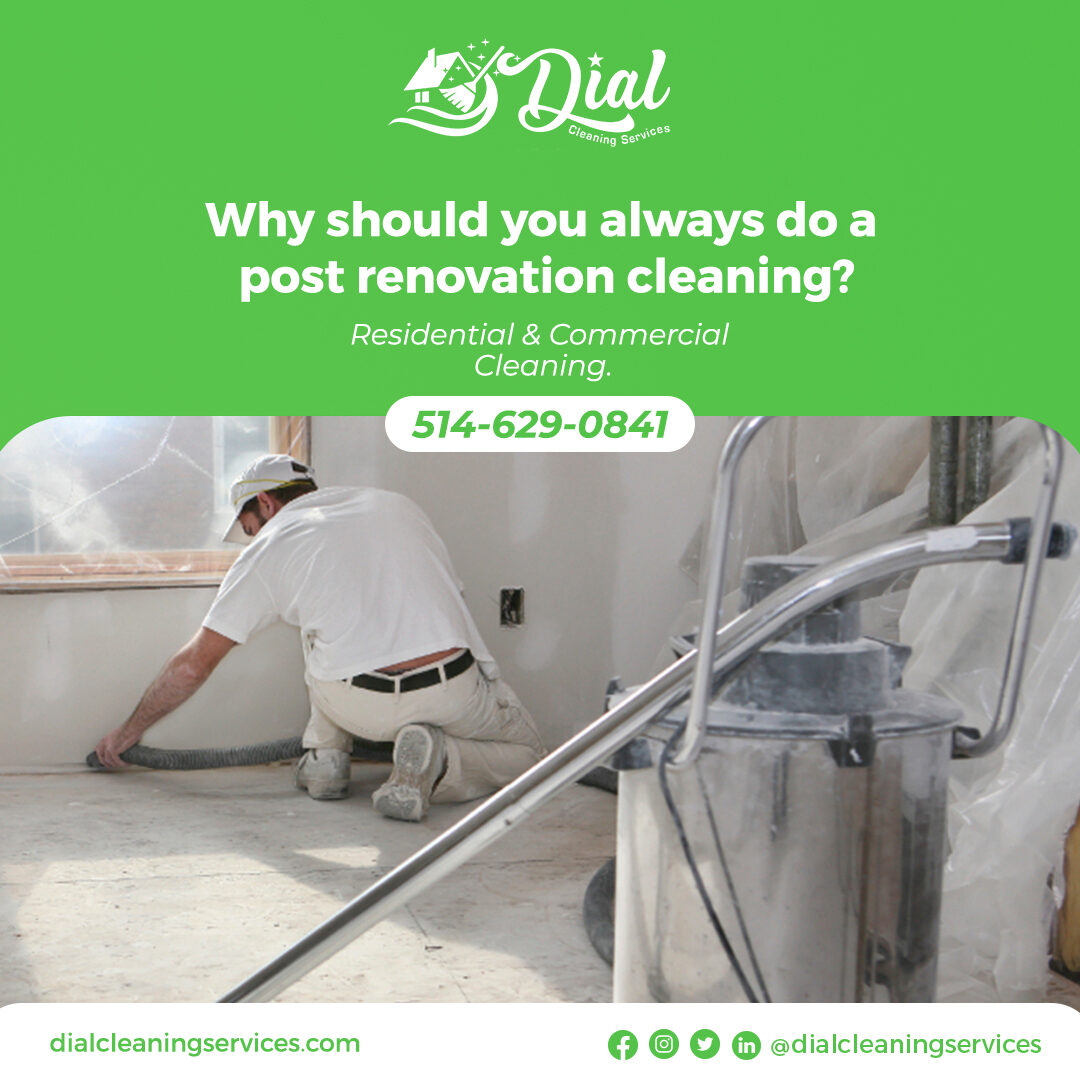
Why should You Always do A Post-Renovation Cleaning?

Renovations are frequently both thrilling and stressful. While you are looking forward to enjoying your new space and new design, there is a lot of effort that goes into remodeling your home. Changes might take days, weeks, or even months to implement. However, when the remodeling work concludes and your enthusiasm rises, there is one more thing you must do before you can truly relax: clean up the mess left behind.

If you have hired contractors to assist with the task, they will usually clean up after themselves. However, this does not imply that a thorough post-renovation cleaning would be necessary before you can comfortably use the area again. There will be a lot of dust and dirt to sweep up before you can have that picture-perfect scenario in your remodeled rooms. Furthermore, cleaning the new area will enhance the health of anybody who will use it.

What is involved in post-renovation cleaning?

It is critical to understand that post-renovation cleaning needs more effort than ordinary cleaning. Much of the dust and debris from the construction may be found in corners and crevices. Getting it removed might be a difficult task. That is why we propose hiring a post-renovation cleaning firm. Regular cleaning services just do not have the skills or ability to complete the task correctly.

When it comes to cleaning up after construction or remodeling, there are several ways that may assist remove all of the dust and debris that has been left behind. These are some examples:
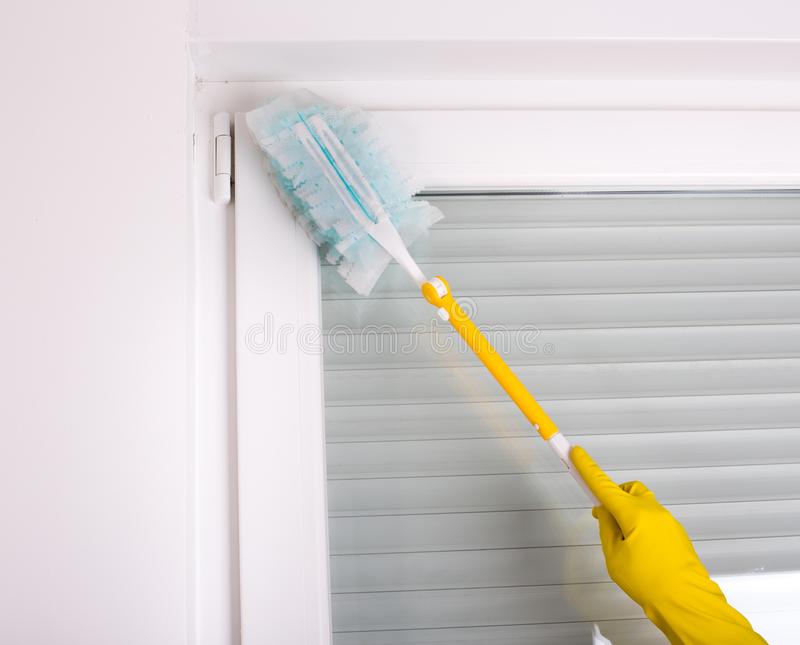
Dusting: One of the most serious dangers in a post-renovation environment is the quantity of dust in the air. This dust may settle on surfaces, conceal in corners and gaps, and create a potentially dangerous environment. Expert cleaners will need to wipe down every surface in the space to guarantee that all of this dust is gone. They’ll also need to clear up any places where dust might accumulate, such as closets, lockers, corners, and drawers. Cleaners will guarantee that any clothes, linen, carpets, or another item that may have accumulated remodeling dust are thoroughly cleaned and cared for.
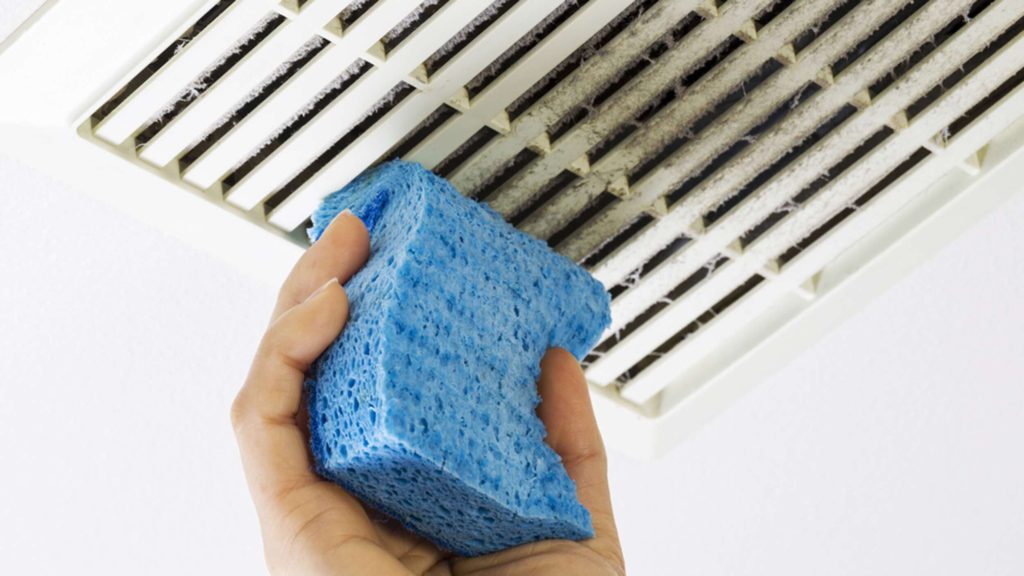
Air vents/filters: Unfortunately, dust from remodeling work can find its way into other areas of the house or workplace via air vents. This is when the skills of cleaning professionals may come in handy. We can prevent continued air quality concerns throughout your area by carefully removing and cleaning down any dust-infested air vents or filters. Experienced cleaners can also replace filters that are too filthy to clean.
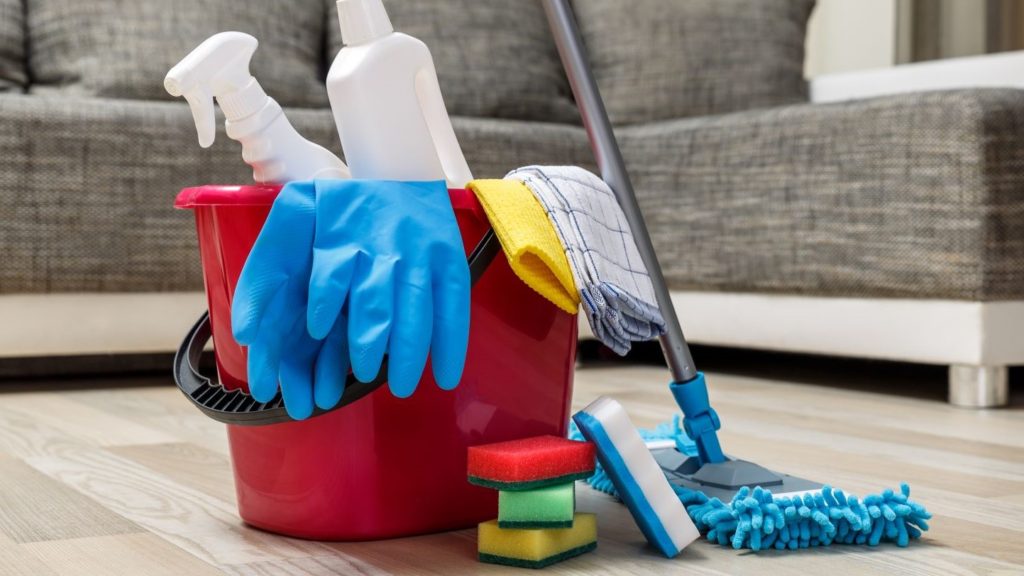
Flooring: One of the most typical areas for debris to accumulate is on the floor. Whether you have linoleum, hardwood, or carpets, getting it to look its best might require some extra time and work. Professional cleaning crews have the necessary equipment and training to do a thorough cleaning after a remodeling. The additional time and attention that cleaning professionals devote to ensure that your flooring is clean can be viewed as an investment. We can ensure that your post-renovation area is not just clean, but also attractive. This means you’ll be able to show off your newly remodeled area to all of your visitors with confidence.
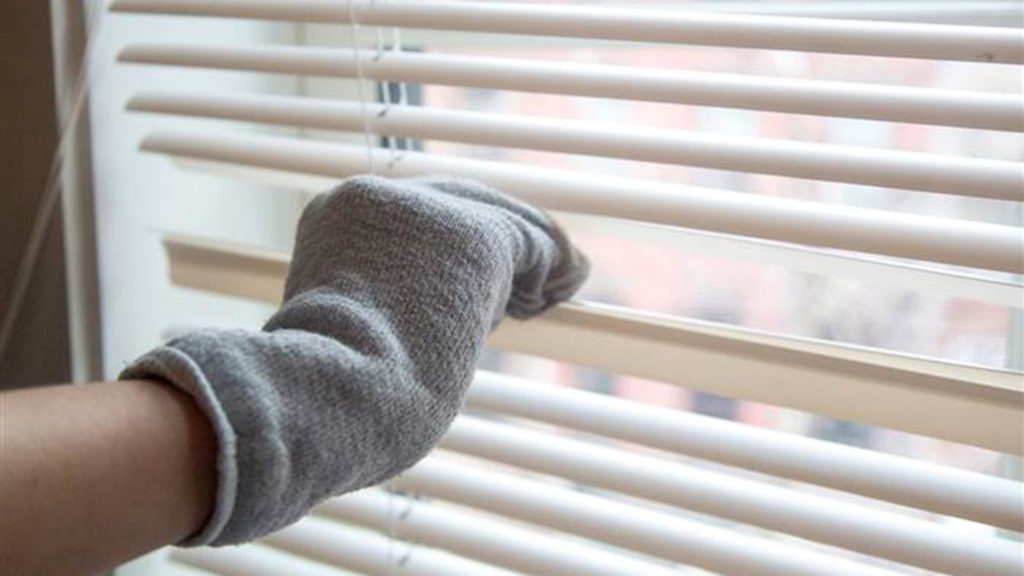
Windows: Windows and frames are other crucial aspects of post-renovation cleaning. It is a good idea to properly clean both the windows and frames after any remodeling or building work. Cleaners should spend additional time washing down the windowpanes and frames to eliminate any residual remodeling dust.

Extras: Depending on the size and breadth of your restoration project, you may need to do some additional cleaning. Professional cleaning firms with post-renovation cleaning knowledge may also provide:

  • Furniture dusting.
  • Dusting picture frames
  • Cleaning light fixtures or lights.
  • Garbage collection
  • Cleaning the appliances.
  • Cleaning the walls.
  • Cleaning the blinds.
  • Changing the bedding.
  • Dishwashing

You may also require some specialized cleaning services in your home. Feel free to consult with your professional cleaning company to see if you can create a cleaning package that meets both your demands and your budget.

The Advantages of Using Professionals for Post-Renovation Cleaning

Cleaning up after a remodeling takes a lot more time and work than most other cleaning activities. It frequently necessitates the use of specialized procedures, equipment, and chemicals to ensure that the job is done correctly. Traditional cleaning procedures just do not cut it when it comes to cleaning up after construction or renovations. This is why it is critical to understand whether the cleaning firm you select specializes in post-renovation cleaning. Professional cleaners that specialize in post-renovation cleaning might save you time and money in the long run. It is also one of the quickest methods to reclaim your space.

Conclusion

When it comes to remodeling your home, it is critical not to ignore the post-renovation cleaning. While many contractors will clean up after themselves, a thorough cleaning will be necessary to have your new area looking its best. Dust and dirt that accumulates over the course of days, weeks or even months of remodeling work can hide in corners, closets, and other difficult-to-reach areas. That is why hiring a professional cleaning company with the necessary knowledge and equipment to conduct post-renovation cleanup is critical.

For more information on post-renovation cleaning;

Call Us: 514.629.0841

Address: Montreal, Quebec, Canada

Mail Us: info@dialcleaningservices.com

READ MORE
HOW-TO-GET-RID-OF-DUST
Blog Uncategorized
By Fin Dittimi September 3, 2021

HOW TO GET RID OF DUST

Nobody wants to live in a dusty house. Not only is it ugly, but it may also cause a slew of health issues in the long term, especially if you or your family are prone to allergies or respiratory issues! Fortunately, by following a few basic rules, it is simple to keep dust to a minimum, if not entirely eliminated. They are as follows:

Get Rid of Clutter

The more knick-knacks and heaps of odds and ends you have lying around your house, the more surfaces for the dust to build on. Keep your floors and furnishings as clean as possible, and you’ll notice a significant reduction in dust in your house.

Rather than carpet, use laminate or hardwood flooring.

Carpet is a great sanctuary for the dust to gather in between threads, and even a thorough cleaning isn’t always enough to get rid of it all. When it comes to dusting, laminate, hardwood, or even tiling is far more manageable. Simply sweep it on a regular basis and give it a thorough cleaning with a dust mop once or twice a week, and you’ll be fine.

Keep all doors and windows closed.

The dust has to come from someplace, doesn’t it? The most common culprits are open doors and windows. Keep them closed as much as possible, and invest in some decent screens to keep the small particles out.

Change your bedding weekly

Dust mites enjoy hiding within your blankets and linens. Wash your bedding once a week to keep them at bay. Invest in a mattress cover for further protection.

Clean From the Top Down

When cleaning your home, start with the highest surface. You’ll be able to capture all of the dust and debris that falls while you clean this manner.

Make Use of Storage Containers

Instead of dumping heaps of clothes and paper into the closet, keep them in airtight containers or plastic bags to avoid dust accumulation.

Purchase an Air Purifier

If you have asthma, allergies, or are just extremely sensitive to dust, you might consider investing in an air purifier that filters airborne dust particles. Unfortunately, a purifier will not remove previously deposited dust or dust mites. Furthermore, for an air purifier to be genuinely efficient, it should be placed in each of your key rooms. It might be pricey, but the peace of mind and simplicity of getting rid of dust is well worth it!

Call Us: 514.629.0841

Address: Montreal, Quebec, Canada

Mail Us: info@dialcleaningservices.com

READ MORE
Microfiber-the-go-to
Blog Uncategorized
By Fin Dittimi September 1, 2021

WHY IS MICROFIBER THE GO-TO CLEANING MATERIAL FOR JANITORIAL SERVICES?

Microfiber, often known as a miracle material, is one of the world’s most popular cleaning cloths. If you haven’t already succumbed to the hype, now is the moment. Everyone, especially professional cleaning firms, adores microfiber. Let’s take a look at why microfiber is the industry’s favorite material for getting things clean!

What exactly is microfiber?

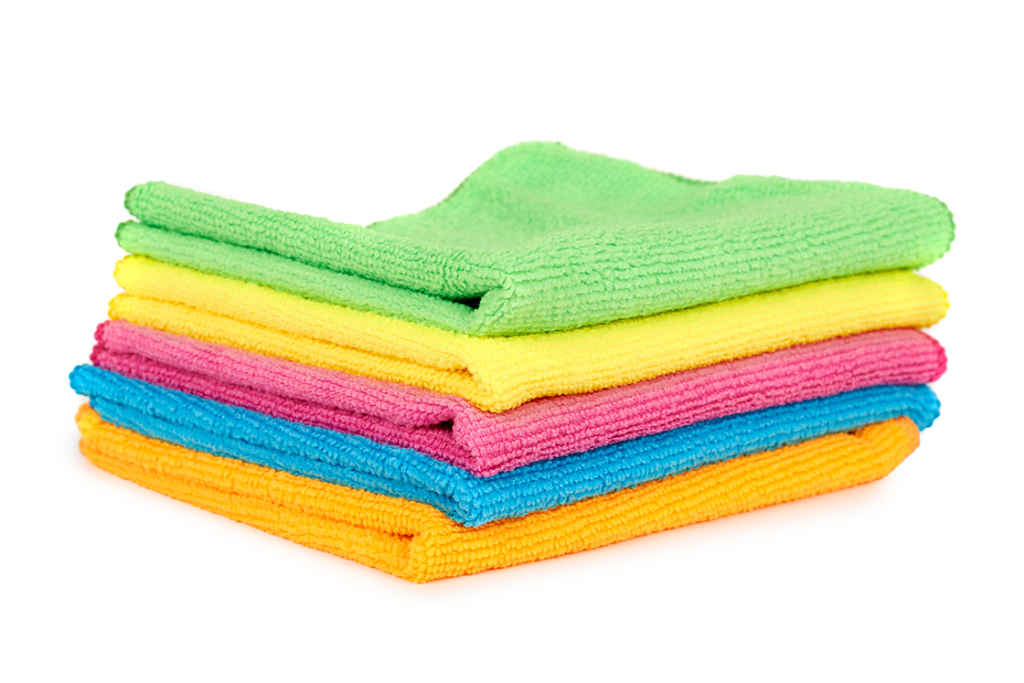
To comprehend the advantages of this synthetic substance, we must first comprehend its composition. Microfiber is a nylon and polyester blend. The fibers are finer than human hair. When combined, they form a net that retains more dirt, dust, and moisture than cotton. One of the reasons for its efficacy is its static charge. This sticking effect attracts dirt until the fiber is cleaned.

What can I do with microfiber?

Microfiber is soft enough to use on a variety of surfaces to get a lint-free shine. It’s especially effective on glass, mirrors, and chrome, and it can even be used to clean your car. Because microfibre is made up of millions of microscopic hooks, it attracts all types of dirt, dust, and bacteria in the home. Here are a few of our favorites:

Kitchen: Using your favorite microfiber rag and a little water, remove all the muck and dirt off your kitchen equipment. After a simple wash clean with this wonder material, stainless steel equipment will gleam. You may also use microfiber to clean counters, cabinets, and stovetops. Food remnants, grease, and oil are no match for those minuscule hooks!

Bathroom: Scrub your shower tiles with a microfiber cloth to remove any mildew or soap scum.

Dusting: Microfiber tends to retain dust particles rather than disperse them into the air. You’ll also prevent chemical residue on your surfaces because all you need is a little water.

On your skin: We know it sounds strange, but have you ever considered giving up soap? Microfiber facial wipes are ideal for removing makeup and oil off your face – without the need for soap! Give it a go. We guarantee you’ll never feel so clean again.

Can I use microfiber to clean in a more environmentally friendly way?

Yes, microfiber is ideal for people who want to avoid harsh chemicals entirely. Most cleaning products contain detergents, solvents, and scents. These items can be extremely dangerous to infants and children. However, with microfiber, all you need is a little water to eliminate approximately 99 percent of germs from your home and workplace. Cleaning with water keeps these noxious compounds off your surfaces and out of your lungs. You’ll also save a lot of money on cleaning supplies.

Because microfiber can be reused, you’ll be helping the environment by reducing your usage of paper towels. Paper towel production uses a lot of resources, including trees and water. Consider how many of these you’d need to clean your windows, mirrors, and counters. Microfiber, on the other hand, may be washed hundreds of times without losing its efficacy.

What other advantages does microfibre have?

Aside from its lint-free cleaning ability, microfiber has a plethora of additional advantages. Here are some other advantages:

1) Quicker drying time: When compared to cotton towels and sponges, microfiber dries up to 60% faster. If you just have a few clothes, you won’t have to wait as long to use them after washing.

2) Long-term savings: Good microfiber goods are somewhat more expensive than conventional sponges. However, because microfiber can be washed and reused up to 500 times, you will more than likely recoup your investment in the long term.

3) Greater cleaning power: Microfiber mops have better surface contact with the floor than regular cotton mops due to their net-like structure.

4) Fewer slips and falls: Floors cleaned with a microfiber mop dry significantly faster than traditional mop floors.

5) Hypoallergenic: Because microfiber is unlikely to produce a response, it is ideal for people who suffer from allergies or asthma.

How should I care for my microfiber cloths?

Microfiber cloths must be cleaned correctly to maintain their efficacy and longevity. Fabric softener and washing detergent are two major items to avoid. Chemical products can damage microfibers by destroying their magnetic capacity to attract dust and germs. Although it may appear contradictory, all you need to wash microfiber is water. There is nothing else.

Always remember to wash microfiber on its own. Cotton, for example, should never be washed alongside microfiber towels. Wash without detergent in a cold setting. When the cycle is over, either air dry your microfiber or place it in the dryer on the lowest setting.

If you’re wary of cleaning your house or workplace with harsh chemicals and filthy cotton rags, try switching to microfiber. Millions of people couldn’t be wrong about this ‘miracle substance,’ can they? Invest in a package of high-quality microfiber items that will provide a great clean and last a lifetime for pristine surroundings!

Check the best cleaning service In Montreal, Quebec, Canada.

Call Us: 514.629.0841

Address: Montreal, Quebec, Canada

Mail Us: info@dialcleaningservices.com
READ MORE
Cleaning window
Blog Uncategorized
By Fin Dittimi August 31, 2021

PRO TIPS FOR CLEANING WINDOWS

Cleaning windows is one of the most effective methods to instantly improve the appearance of your house or company. Shiny, dirt-free windows let in natural light, making the interior area appear brighter and, in some cases, larger. When it comes time to clean these window panes, though, many of us rely on the tried-and-true rag-and-Windex method. Although elbow grease appears to be helpful, it is not the greatest method for removing the outside film left by automobiles and pollutants.

Hiring a professional cleaner to get the job done correctly is often the best option. It is, nevertheless, feasible to clean your own windows like an expert. So take a look at our helpful hints and you’ll have squeaky-clean, streak-free windows in no time!

Never use sponges or rags.

As previously said, many of us believe that utilizing a cloth and spray-on solution will suffice. However, this is one of the most ineffective methods of cleaning windows. Sponges and rags, no matter how clean they are, leave a lot of moisture behind. Residual moisture is terrible for windows because it will almost always leave a visible film behind, even after it dries. This film will be less visible in low light, but it is clearly visible in direct sunlight.

The fewer suds, the better.

The idea that more suds equals cleaner windows is debunked. Excessive suds produce a greasy coating that is difficult to remove. A modest bit of dishwashing liquid in a warm pail of water is recommended by many experts. Soak the caked-on filth and knock it loose using a horizontal sponge applicator with a comfortable handle.

Use a squeegee at all times.

If you want your windows to seem like they were cleaned by a professional, you must use a high-quality squeegee. This useful gadget is the most effective method to prevent all that leftover wetness. After cleaning the windows with warm water and detergent, use a squeegee to remove all of the residues. The professionals always squeegee side to side rather than up and down. This is due to the fact that it is simpler to maintain the same squeegee pressure when moving in this direction.

Pull the squeegee straight across from left to right, beginning at the top. Wipe the blade with a dry cloth after each stroke. If you use a lint-free rag, your squeegee will leave tiny dust particles on your windows. For this sort of labor, cloth diapers or linen napkins are ideal.

Even if cleaning your own windows is a simple chore, you may wish to employ a professional.

Hire a professional To clean your Window. Book now:

Call Us: 514.629.0841

Address: Montreal, Quebec, Canada

Mail Us: info@dialcleaningservices.com

READ MORE
bugs
Blog Uncategorized
By Fin Dittimi August 27, 2021

How to Keep Spiders and Bugs Out Of Your House

Let’s face it: bugs and spiders are revolting. That implies we want them to be as far away from our houses as possible. The summer months are especially awful for flies, mosquitos, and other creepy crawlies. Many of us prefer to leave the windows and patio doors open to let fresh air enter. However, this increases the likelihood of spiders and pests invading your home’s interior.

So, how can you keep those creepy crawlies at bay without utilizing chemicals that are hazardous to your family? Continue reading to find out!

  1. Screens

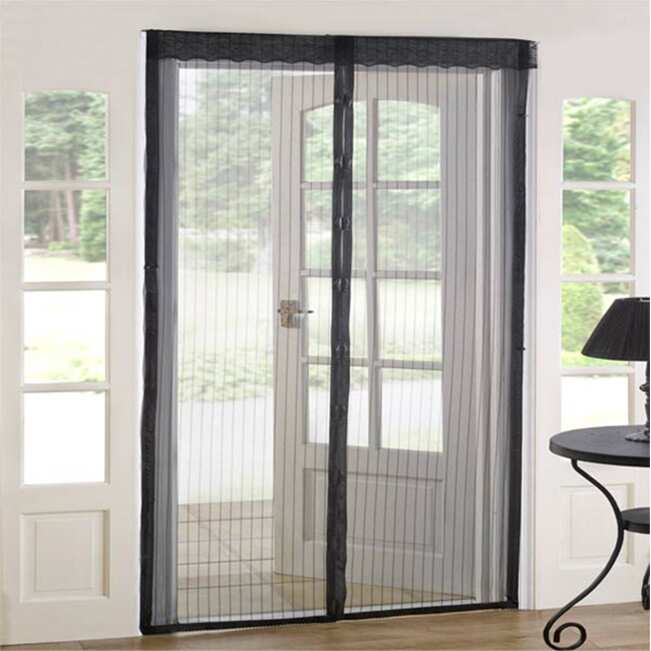
Patio screens may appear to be an expensive initial purchase, but they are well worth it. When your doors are open, these screens slide back and forth along the frames, acting as a barrier between you and the outside elements. Screens enable fresh air to enter your house while keeping insects and spiders outdoors, where they belong. If you don’t want to hire a contractor to install bespoke screens, you may simply buy a screen kit at large box home improvement stores.

  1. Peppermint Spray

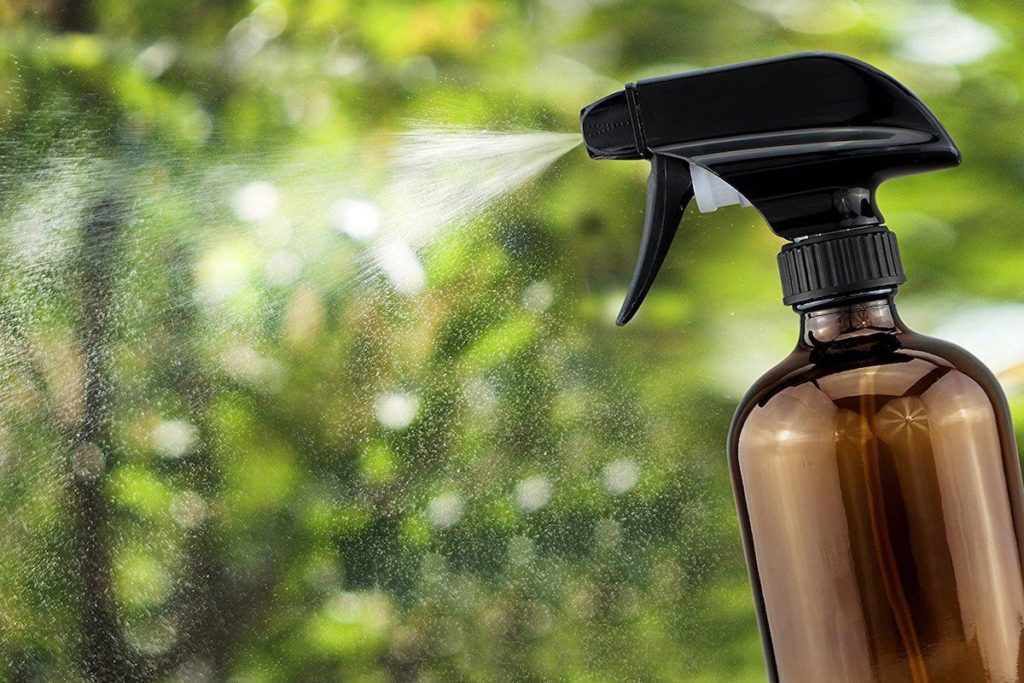
Here’s an interesting fact: Bugs and spiders despise the fragrance of peppermint! Purchase some essential peppermint oil and spritz it about your home. If you’re having a barbecue outside, spray some at the base of the chairs and table as well. This will keep the pests at bay while also leaving your home smelling minty fresh!

  1. Insect-repellent coils

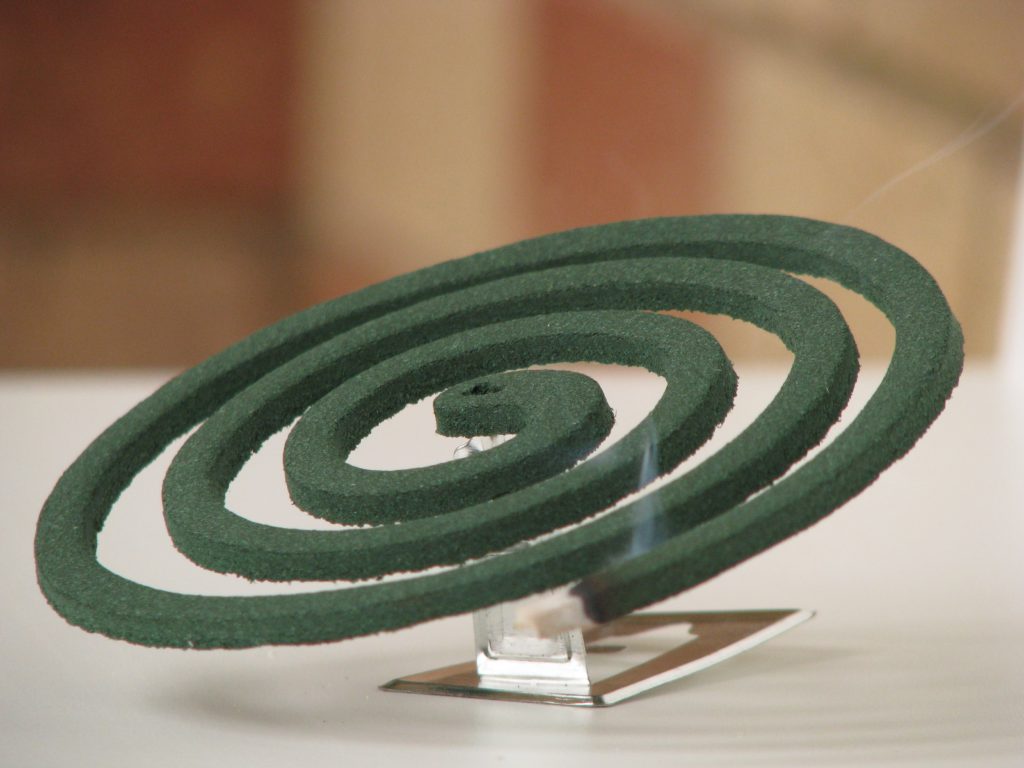
Mosquito coils are an excellent method to keep these pesky insects at away. These coil-shaped rings are lighted on one end and then burn to emit incense. As long as there is sufficient air circulation in your house, the odor will not be overwhelming or bothersome.

  1. Repellent Sprays

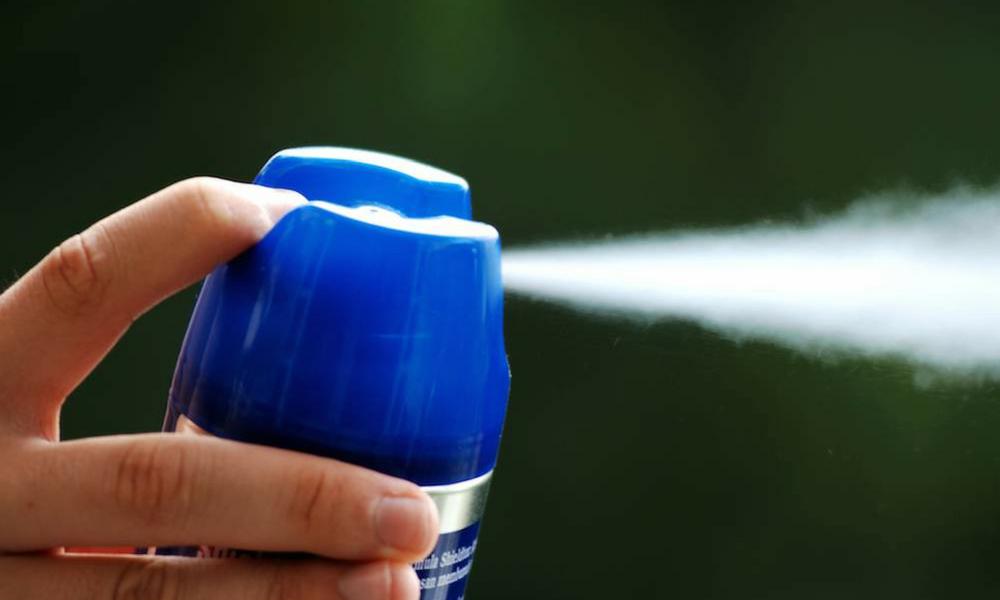
Popular insect repellents, such as OFF!, perform quite effectively. Purchase a household spray and liberally apply it on window sills, patio furniture, and baseboards. Spiders and bugs are known to congregate in these locations. Although the odor is imperceptible to humans, crawly critters are extremely sensitive and will avoid your home as soon as they smell it.

  1. Maintain a regular cleaning schedule.

It is well known that spiders and bugs prefer cluttered environments. This is why you must maintain a clean home at all times. Pests are attracted to leftover food, dirt, and dust. Keep them away by tidying up, especially after meals. Also, remember to take out the trash regularly and to avoid leaving domestic waste containers exposed for extended periods.

Contact us today for professional help

Call Us: 514.629.0841

Address: Montreal, Quebec, Canada

Mail Us: info@dialcleaningservices.com

READ MORE
hjhg
Blog Uncategorized
By Fin Dittimi August 25, 2021

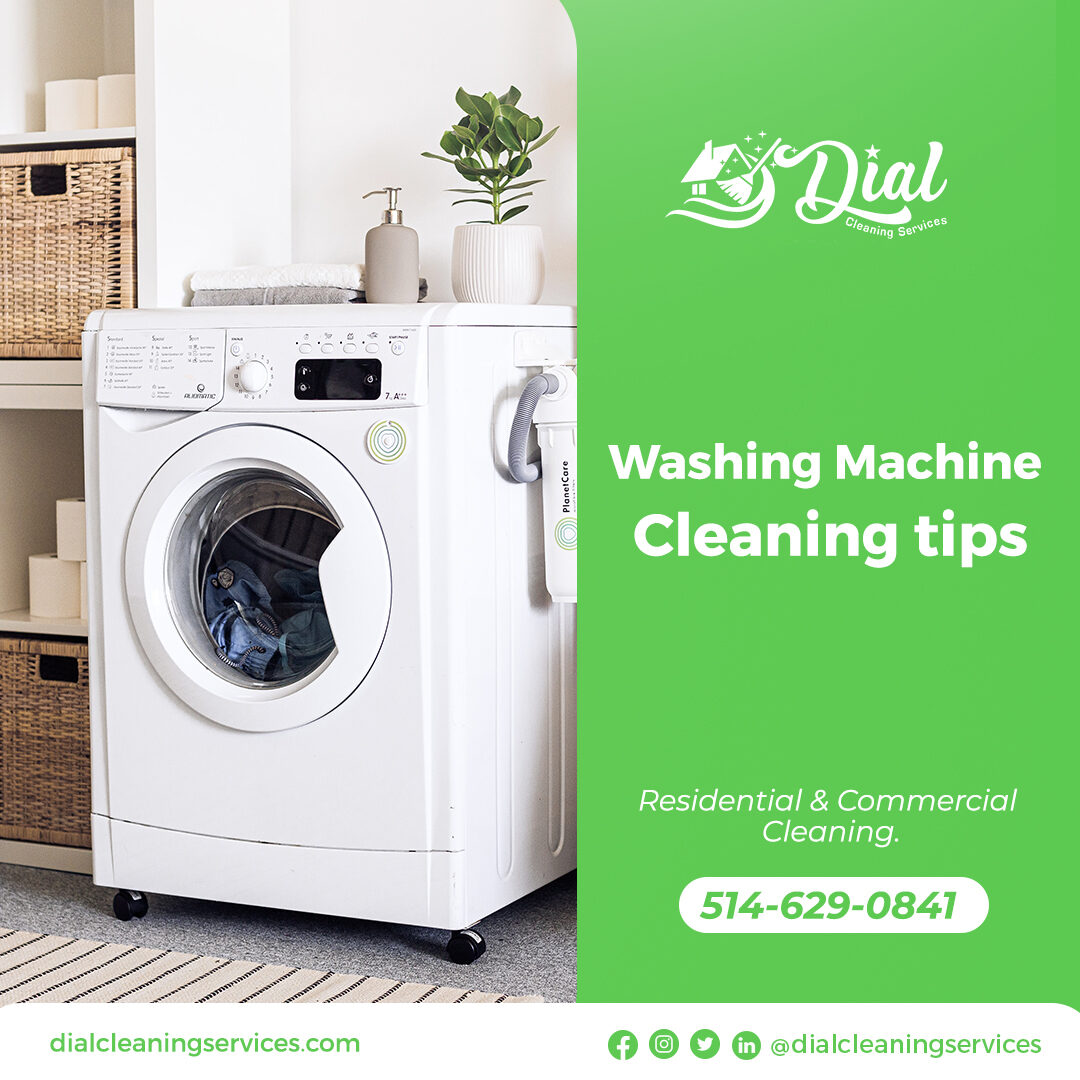
Washing Machine Cleaning Tips

While most individuals rely on washing machines to keep their clothing clean, just a few prioritize washer cleaning. Your machine, like your clothing, has to be cleaned regularly. Some individuals believe that the detergent they use to clean their clothing also cleans the washing machine. On the contrary, certain detergent residues may contaminate the machine. Laundry dirt, hard water, and chemicals can all produce a buildup in the washer’s inner workings.

Your washing machine will begin to smell if it is not properly cleaned. Leaks, poor cleaning outcomes, and damage can all be caused by poor maintenance. So, how do you keep your washing machine clean and operational? Here are some of the best house cleaning methods you may use monthly. Let’s start with what you’ll need for the job.

Tools

  • Toothbrush
  • Microfibre cloth
  • Towel or cloth
  • Soft brush

Materials

  • Baking soda
  • White vinegar or bleach.

1. Empty the Laundry Detergent Drawer

Remove the detergent drawer before cleaning a front-loading washing machine. Excess detergent can build up in detergent drawers, clogging drains over time. It is also a breeding ground for bacteria and might pose a health risk. A soiled detergent drawer might harm the way your clothes are cleaned. Remove the detergent drawer and soak it in warm water to achieve the greatest results. Then, using a toothbrush, remove any remaining residue. Don’t forget to clean out the cavity as well. After cleaning, apply an antibiotic spray to eliminate any remaining germs.

2. Remove and clean the door seal or rubber gasket.

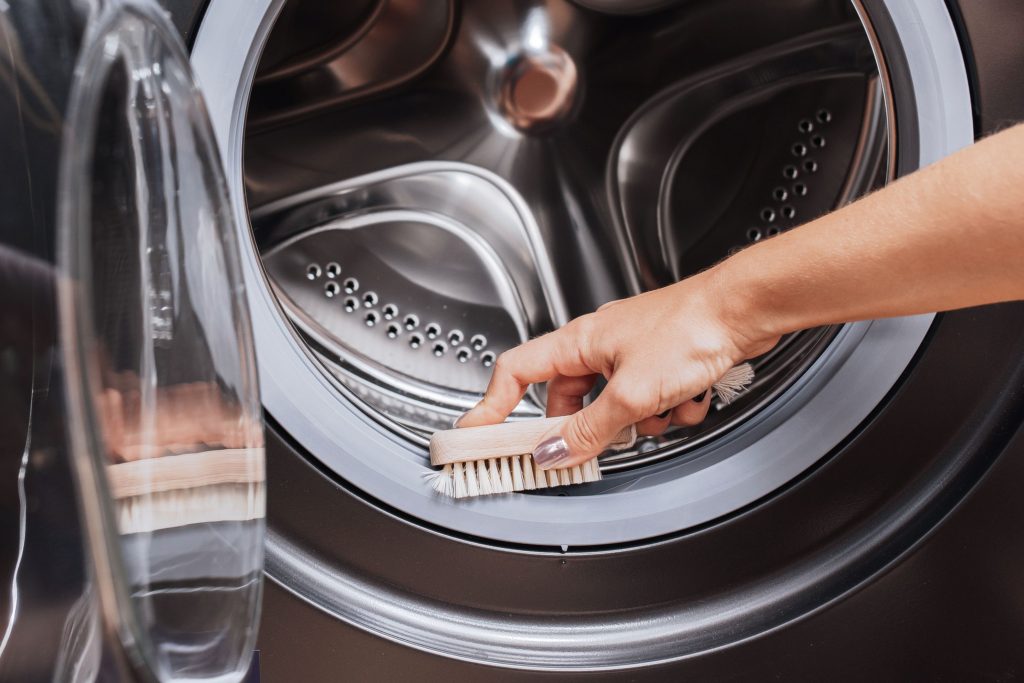
Before cleaning the drum, clean the rubber bands that run over it. The rubber gasket attracts fluff from clothing and, if allowed to accumulate, becomes difficult to remove. To achieve the best results, clean the seal with a wet cloth before and after each wash to guarantee that your machine does not take up new filth every time you use it. Scrub anything that clings to it and spray the bands with an antibacterial disinfectant during your regular monthly cleaning regimen.

3. Wash the Drum

Even though the inside of the machine seems clean, you should still clean it since some numerous nooks and crevices might harbor bacteria. The simplest approach to ensure it is clean and germ-free is to run an empty wash after a few months. Combine the baking soda and hot water in a mixing bowl, and then set the machine on the hot water cycle. This will disinfect the washer and eliminate any unpleasant odors. You may also substitute vinegar for baking soda. After finishing the wash, keep the machine door open to allow the drum to dry.

If you have dogs in your home, there is a good probability that your machine retains pet hair. The quickest approach to remove pet hair is to let the drum dry fully before vacuuming it out with a gentle brush.

4. Examine the Inlet Hose Filter

The filter keeps dirt, tissues, hair, and minerals from contaminating your cycle. If left unchecked, it might clog, preventing the free passage of water into your washer for a new cycle. The filter is usually located at the front of the washing machine, concealed by a hinged cover.

Turn off the water and remove the hatch to clean the filters (hinged cover). Remove anything that has been collected on the filter. Additionally, inspect the cavity to ensure that any trapped material has been removed. Then, using a cloth or a dish towel, clean down the filter.

5. Clean the Outside

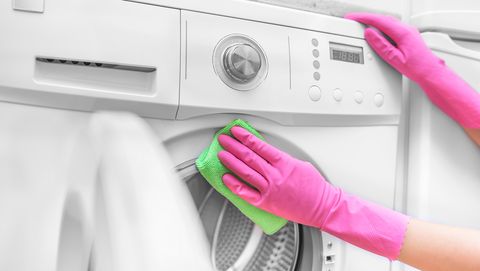
When you’re through cleaning the interior, don’t forget to wipe the surface of the washing machine with a moist towel. Avoid using solvents or abrasive cleansers, which can harm or scrape the appliance’s surface.

6. Consistent Cleaning

Cleaning your washing machine regularly is one of the most basic, but useful, housekeeping recommendations. A custom machine cleaning cycle is included in the majority of modern washing machines. If your machine does not have a personalized cleaning plan, add chlorine bleach into the dispenser and perform an empty wash with hot water. You can also use specialized cleaners.

It is not necessary to clean the washing machine fully after each wash. However, there are a few simple steps you can do to ensure the washer operates properly in between usage. Remove all clothing immediately after each wash. Emptying the washing machine after each cycle prevents odors from forming in the washtub. The odor is easily transmitted to your clothing. In addition, you should keep the door slightly ajar to enable free passage of air, which will help to dry off any leftover moisture.

Conclusion

It makes no financial sense to invest a lot of money on a washing machine and then ignore it. Use the following home cleaning techniques to ensure that your machine decontaminates your clothing for many years. Cleaning your washing machine regularly will not only keep it operating but will also save you money on repairs.

Before using the following home cleaning suggestions, be sure to read your washing machine’s user handbook. Use the proper detergent as well. Powder detergents are typically the best option. Some hand wash detergents, such as liquid softeners or additional suds, may leave residue on your automated washing machine, reducing its lifetime.

If you are unable to keep a regular cleaning schedule, you might consider hiring a cleaning service.

Contact us today for professional help

Call Us: 514.629.0841

Address: Montreal, Quebec, Canada

Mail Us: info@dialcleaningservices.com
READ MORE
rtdf
Blog House Cleaning
By Fin Dittimi August 23, 2021

How to Clean Curtains

Cleaning the curtains is an often-overlooked duty when it comes to general cleaning, partly because they’re easy to overlook because they’re out of the way, and partly because most people expect it to be a time-consuming and irritating process! That being said, it’s critical to maintain your curtains clean because they collect all kinds of aromas in your house over time, which can lead to bad odors and discoloration.

Cleaning your curtains, fortunately, does not have to be a time-consuming process. We think you’ll be surprised at how simple it is once you know how to!

Washing Machine

Many people are unaware that most curtains may be cleaned in a regular laundry machine in the same manner as your clothing. This is particularly true of thicker curtains. Use cold water and the delicates cycle to preserve the colors and designs.

Whatever you do, avoid putting wet curtains in the dryer after they’ve been washed, since this can permanently misshape and damage them. Hang them outside if possible (away from the sun to prevent discoloration).

Hand Washing

If your curtains are 100 percent cotton or contain features like fringes or delicate stitching, hand-cleaning is the way to go. Because curtains take up a lot of room, the bathtub is a much better location to accomplish this than the sink. Use a mild washing soap, or even better, a detergent made specifically for curtains.

Steam Cleaning

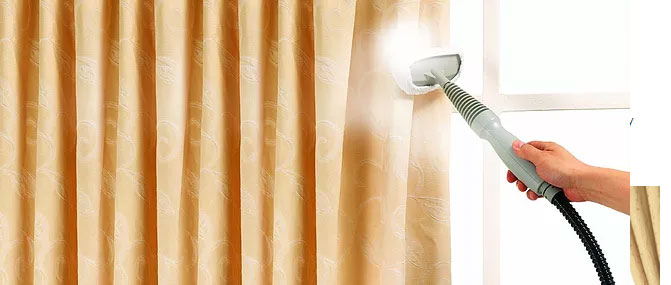
If you’re working with particularly heavy material or just don’t want to take down and reinstall the curtains, steam cleaning is an excellent choice. Simply begin from the top and work your way down, keeping the curtains as straight as possible. If you see the cloth becoming moist, move the steam cleaner back a little.

Curtains should be cleaned regularly

Maintaining your curtains regularly will make cleaning them much easier when the time comes. Rather than allowing dust to accumulate for months and months, including the curtains in your weekly vacuuming routine.

Another excellent tip is to let them air out in the breeze every couple of months. This will remove a lot of the smells they may have accumulated.

Finally, avoid odor absorption for the first time by adopting steps such as closing kitchen doors when cooking and never smoking indoors.

Contact us today for professional help

Call Us: 514.629.0841

Address: Montreal, Quebec, Canada

Mail Us: info@dialcleaningservices.com
READ MORE
Stainless-Steel-Cleaning
Blog House Cleaning
By Fin Dittimi August 20, 2021

STAINLESS STEEL CLEANING

Stainless steel appliances are one of the most popular kitchen trends in recent years and for good reason. Stainless steel goes with everything, it’s ultra-modern and elegant, and it looks brand new for years! However, if left untreated, it is renowned for displaying every single smear and fingerprint.

Fortunately, we’ve compiled a list of cleaning techniques for stainless steel appliances so they always appear as gleaming as the day you purchased them!

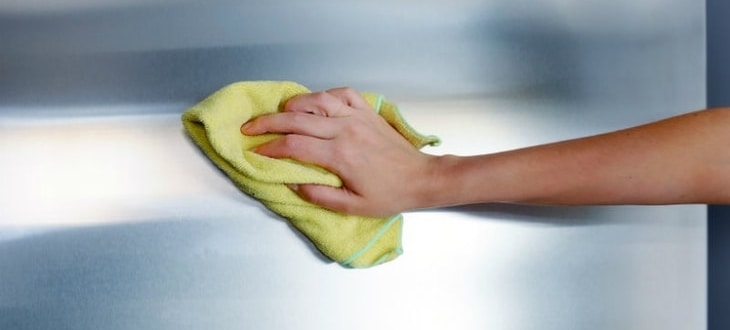
Microfiber

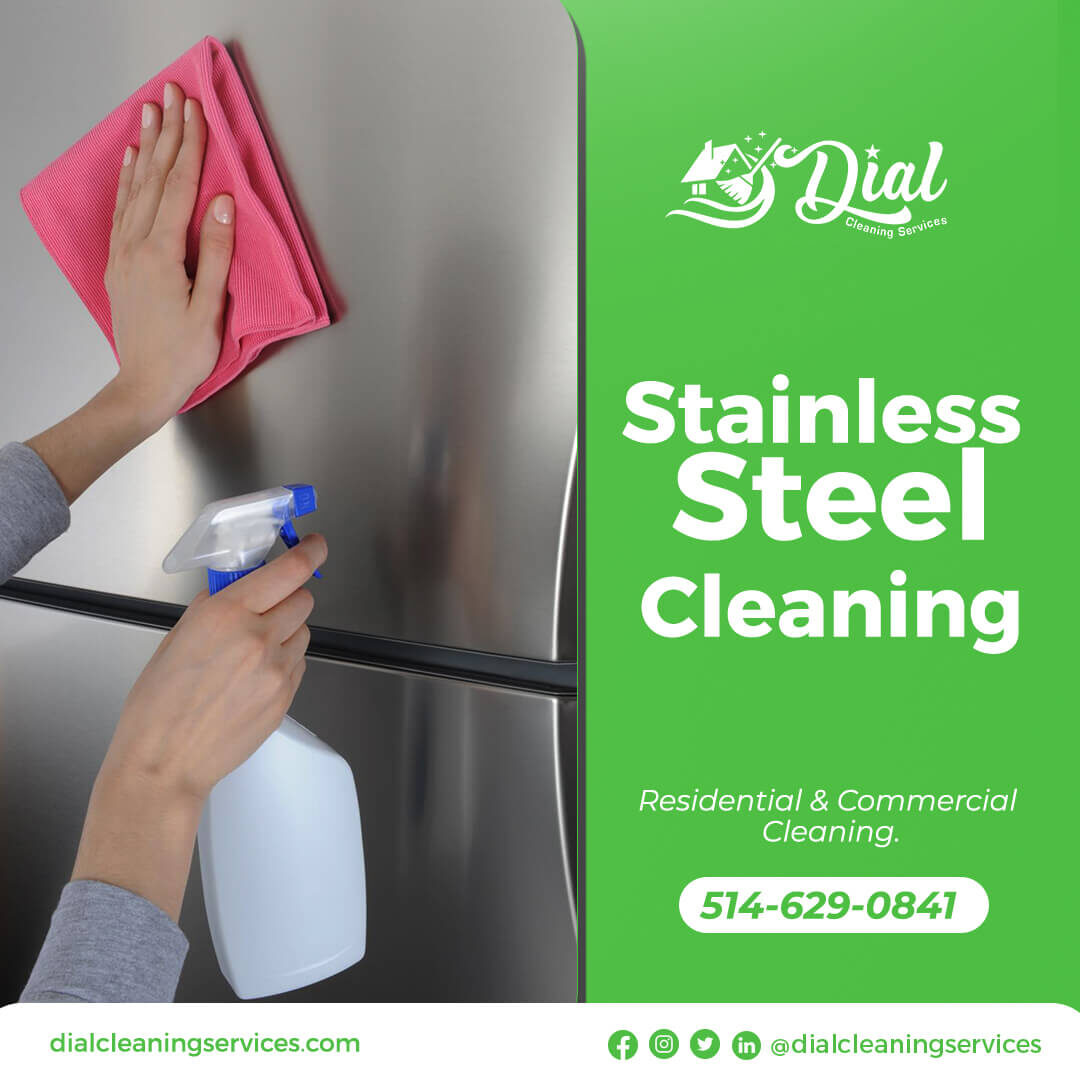
When it comes to stainless steel, traditional paper towels and dish rags will just leave it streakier than when you started! Invest in a pair of microfiber towels for cleaning, and your appliances will remain gleaming and new.

Follow the Grain

When wiping anything off stainless steel, it is critical to follow the grain of the surface. Otherwise, not only will streaking occur, but dust particles will become entangled in the surface as well.

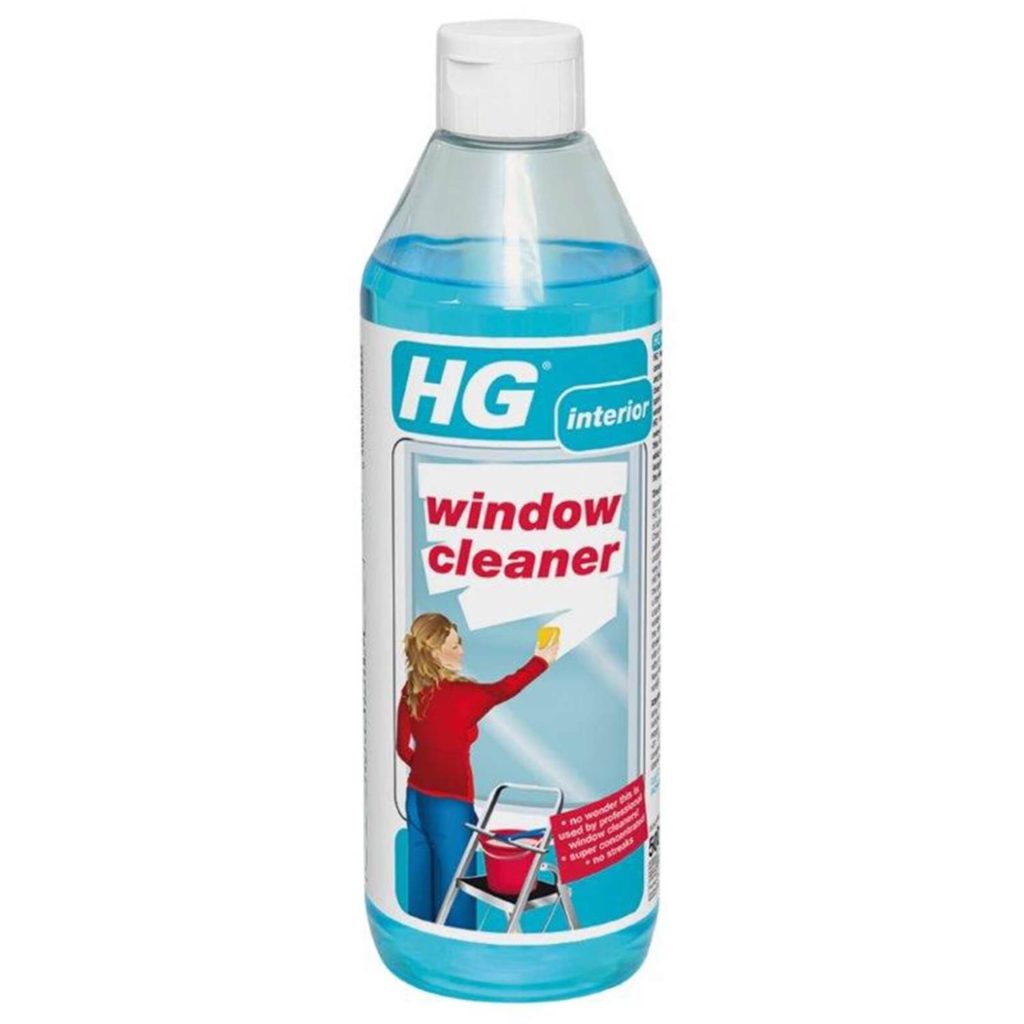
Window cleaner

It isn’t only for glass, people! Window cleaners are an inexpensive and risk-free solution to clear most smudges and spills off stainless steel equipment. There’s no need to overdo it; a few sprays and a good wipe or two will generally suffice. Any more than that will result in more streaks than you began with.

Oil

It might sound counterproductive to remove the oil of fingerprints with even more oil but trust us. It works! Rub a bit of mineral or baby oil over the streak, and absorb any extra residue with a dry cloth.

Eco-friendly

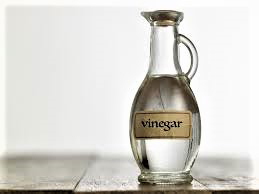
If you’re looking for an eco-friendly or even homemade option, there are plenty of ways to skip out on the stronger store-bought chemicals. The easiest, cheapest, and most accessible option? Vinegar. There’s no need to dilute it, just transfer it to a spray bottle, and use it the same way as any other all-purpose cleaner. You can always add essential oils or lemon juice to cut some of the tangy vinegar smell.

Baking soda is another solution for stubborn stains. Combine it with a little water to form a paste-like mixture, then massage it into surface spots using a moist towel or dish brush. Once all dirt has been gone, properly rinse it with water, shine it up with vinegar if desired, and dry it with your microfiber towel.

We guarantee you’ll be blown away by how gleaming your stainless appliances are!

Check out our EcoFriendly Cleaning Service In Quebec, Canada.

Contact us today for professional help

Call Us: 514.629.0841

Address: Montreal, Quebec, Canada

Mail Us: info@dialcleaningservices.com
READ MORE
9-HOUSEHOLD-ITEMS-YOU-MIGHT-OVERLOOK-CLEANING
Blog House Cleaning
By Fin Dittimi August 18, 2021

9 HOUSEHOLD ITEMS YOU MIGHT OVERLOOK CLEANING

Though it requires a significant amount of effort, performing a comprehensive, deep cleaning of your home is eventually quite gratifying. Everything is as good as new, and you may enjoy the pleasure of a job well done. However, there always seem to be a few items around the house that you forget about while conducting a general cleanup,post-renovation cleaning or that appear too tough to clean in the first place. Here are nine domestic places or things that often go unnoticed and the best techniques to clean them.

Yellowed Pillows

You most likely wash your pillowcases on a regular basis, but what about your pillows? Sweat and hair products can soak down through pillowcases, causing old pillows to become yellow. Fortunately, pillows are simple to clean. Here’s how to have yours spotless in no time.

  1. Remove all pillow coverings.
  2. Place two in the washing machine at a time.
  3. Using liquid detergent and bleach, wash on a hot cycle with an additional rinse.
  4. Dry according to the tag’s instructions, adding tennis balls to the dryer to agitate them, and expose all surfaces to the heat.
  5. If there is any remaining wetness, allow them to dry fully before replacing the pillowcases.

Window Blinds

Blinds accumulate dust rapidly, yet they appear to take an eternity to clean. That doesn’t have to be the case thanks to this easy method that makes creative use of your kitchen tongs.

  1. To make two thinner strips of fabric, cut a dusting cloth in half.
  2. Wrap each strip around the ends of the kitchen tongs and secure it with rubber bands. Trim the fabric strips if they become too bulky when wrapped.
  3. Continue cleaning the blinds by pinching one slat at a time between the cloth-wrapped tongs and moving it horizontally.
  4. When finished, just remove the towel and return the tongs to the kitchen. Take care to thoroughly clean them before using them to pick up the food!

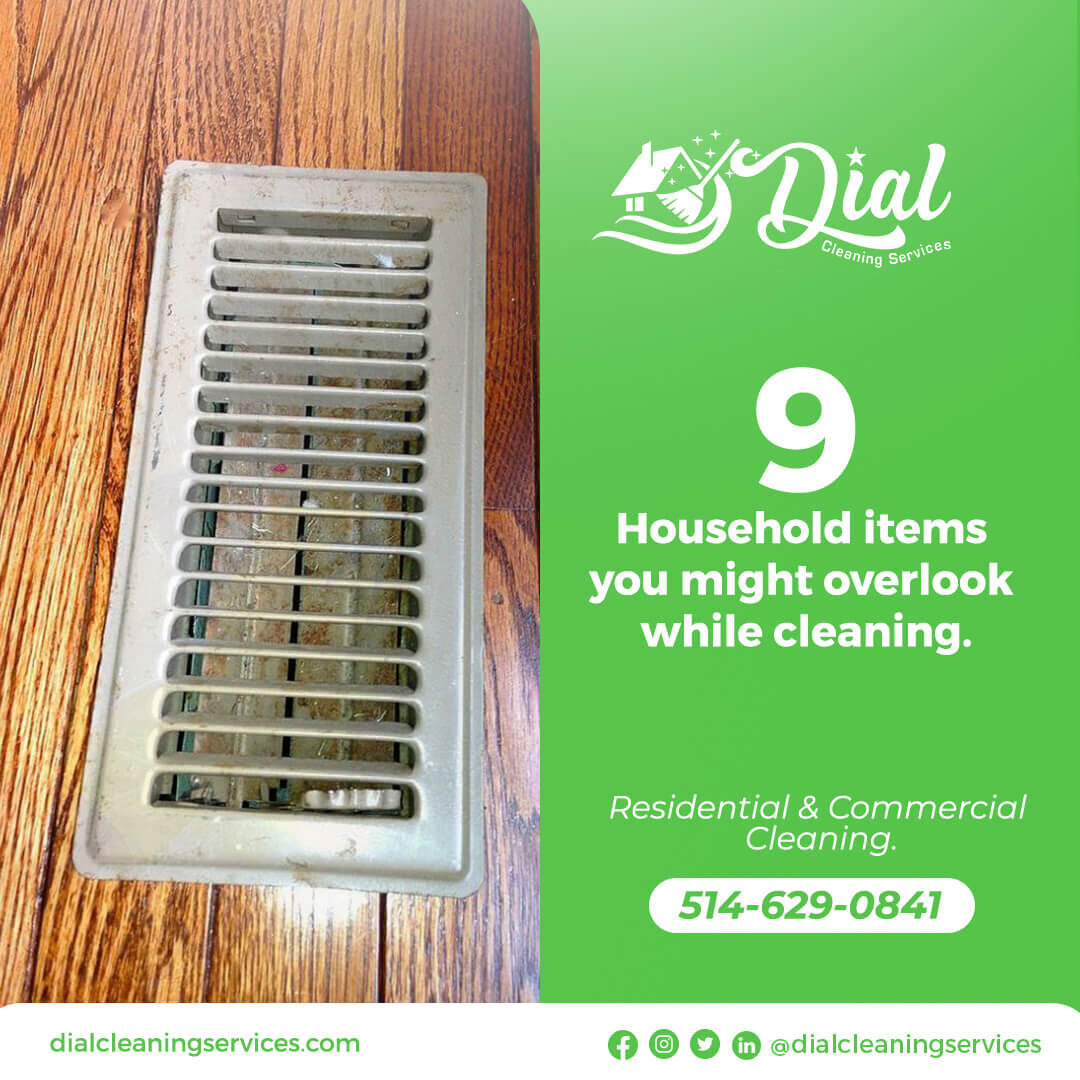
Vent Covers

All of the air passing through the vent covers collects more dust and filth than you’d think. These covers can be tough to clean while attached to the vents, but remove them and the operation becomes much easier.

  1. Remove the vent cover. Make a note of where you put the screws.
  2. Using a paper towel, wipe off the slats.
  3. Place the vent cover in the top rack of your dishwasher and perform a water-only cycle.
  4. To test it, wipe the cover with a towel.
  5. Do you remember those screws? Use these to reattach the vent cover, and you’re done.

Couch clothing

Because the fabric has a porous surface, dirt, stains, and smells sink in and cannot be easily removed. However, because sofas are common locations in the home for people to rest and gather, any comprehensive cleaning must include them. Some sofas have detachable coverings that may be cleaned in the washing machine. If it is your sofa, simply follow the directions on the tags. If not, you can use baking soda to remove stains and eliminate the odor of an old couch.

  1. Remove any human and pet hair from the fabric-covered areas of the couch using a stiff brush.
  2. Sprinkle baking soda on any stains or dirty patches of cloth.
  3. Allow for a 20-minute rest.
  4. Suck up the baking powder with a handheld vacuum or hose attachment.
  5. Use a clean cloth to apply a mild all-purpose cleaning to all fabric surfaces. Stains should be easier to remove.

Electric stove burners

Cleaning the burner rings on an electric stove may appear to be a difficult process. They rapidly get black from dirt and corrosion. However, you can bypass all of it with a few simple actions.

  1. Remove the burner and set it on a towel or another work surface.
  2. Use degreasing dish detergent and a paper towel to remove as much dirt as possible.
  3. Make a paste of baking soda and water and apply it to the burner’s top surface.
  4. Allow for a 20-minute resting period.
  5. Scrub away the baking soda paste using a sponge’s rough side.
  6. Rinse well and pat dry.

Glass Cooktops

What if your stove doesn’t have any burners to remove? The cooking surface can still acquire unattractive rust and dirt rings. Fortunately, you can clean a glass cooktop using the same materials listed above.

  1. Apply baking soda liberally to discolored spots and spread evenly with your fingertips.
  2. Soak a washcloth or hand towel in a water-and-degreasing-dish-soap solution.
  3. Squeeze the soap and water solution over the baking soda and lay the cloth over the stove.
  4. Allow for a 20-minute resting period.
  5. Pick up the cloth and scrape away the loosened filth.
  6. Remove any extra baking soda paste with a paper towel to leave a glossy finish.

Area rugs

While most people use a steamer to clean their carpets at home, many rugs may be cleaned with simply soap and water. When you notice stains on your favorite area rug, take it outdoors and perform the following:

  1. Hose down the rug, making sure it is uniformly saturated.
  2. Pour OxiClean or a comparable cleaner over the rug and scrub with a stiff-bristled brush, paying special attention to any discolored spots. Check the label to see if any compounds should not be used on your specific rug.
  3. Allow sitting for 2-3 hours.
  4. Use the hose to rinse the rug, ideally with a sprayer attachment.
  5. Roll the rug up, squeezing out any excess water and cleaner as you go.
  6. Step 5 should be repeated, squeezing out even more water.
  7. Allow the rug to air dry. Return it to its original indoor location after it has dried fully.

Toilet Siphon Access

Your toilet’s siphon maintains a consistent water level in the bowl and prevents it from overflowing. The siphon’s opening is towards the rim of the bowl, and it may have hard water or rust streaks. Follow these steps to get rid of the stains:

  1. Remove the toilet tank’s lid.
  2. Turn off the water supply to the toilet.
  3. To empty the tank and bowl, flush the toilet.
  4. Completely cover the toilet siphon opening with one or more strips of duct tape. The objective here is to create a good seal.
  5. Pour several glasses of white vinegar into the tank.
  6. Allow sitting overnight after flushing. The duct tape will keep the vinegar in the siphon hole, allowing it to dissolve the discoloration.
  7. Remove the duct tape, turn on the water, and use the toilet as usual.

Clean Your Brooms

When was the last time you cleaned your cleaning supplies? You may not realize it, but your broom may get very filthy after a time. When you’re through sweeping, give your broom some love. To get it as clean as possible, use any or all of these ways.

  1. Step outdoors with the broom and sweep away any excess dirt or pet hair.
  2. Vacuum the end of the bristles with a handheld vacuum or a vacuum with hose attachments.
  3. To clean the bristles, use a disposable disinfectant wipe.
  4. Add a little amount of degreasing dish soap to a pail of water and swirl to generate foam. Place the broom, brush side down, in the bucket, and soak for one hour.
  5. Don’t forget your dustpan while you’re at it! A squirt of multipurpose cleaning and a quick wipe-off should suffice.

A thorough deep clean may do a house a lot of good, but the entire process can be daunting at times. If you follow these suggestions yet still need assistance, contact us at Dial Cleaning Services for professional help.

Contact us today for professional help

Call Us: 514.629.0841

Address: Montreal, Quebec, Canada

Mail Us: info@dialcleaningservices.com
READ MORE
hjiy
Blog Uncategorized
By Fin Dittimi August 9, 2021

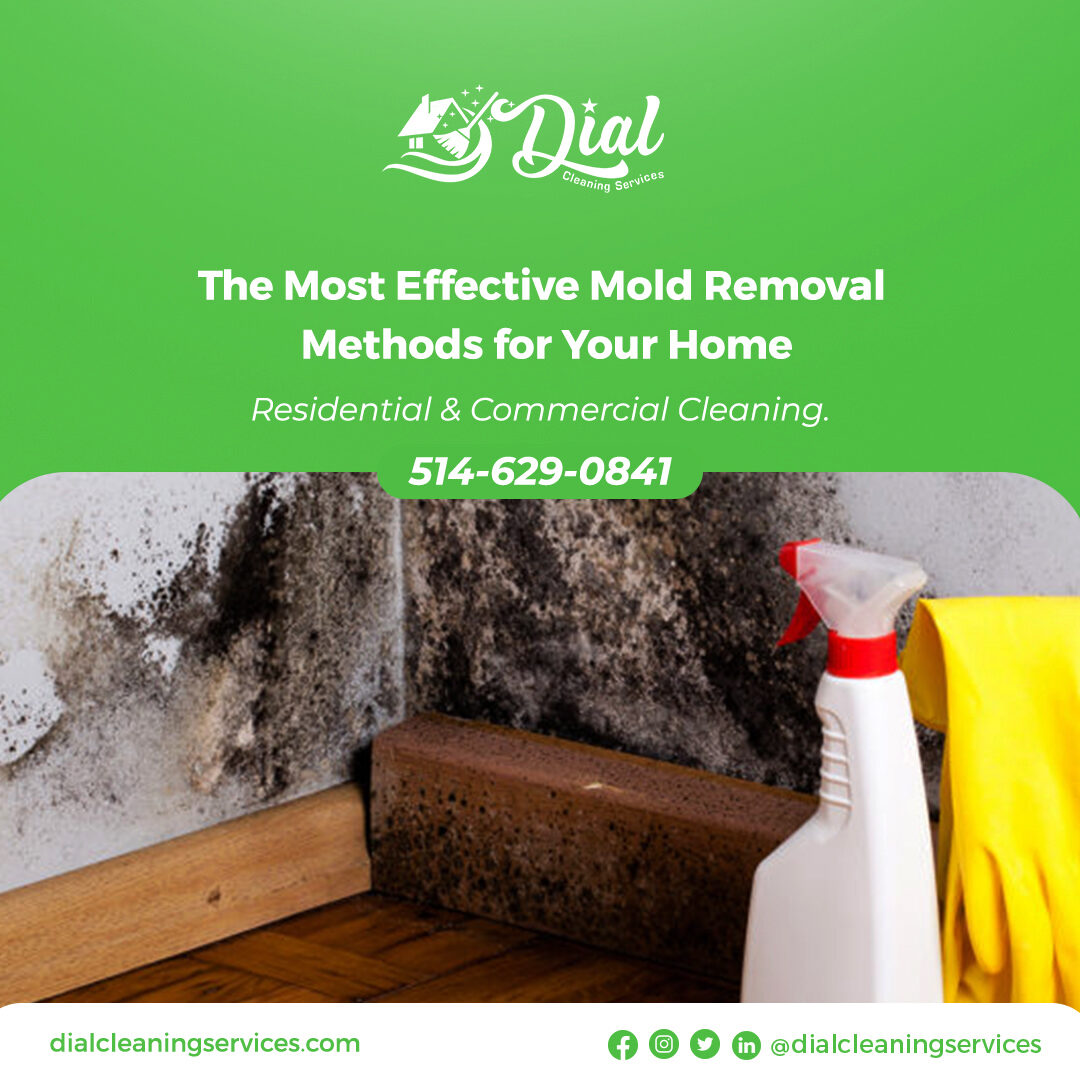
The Most Effective Mold Removal Methods for Your Home

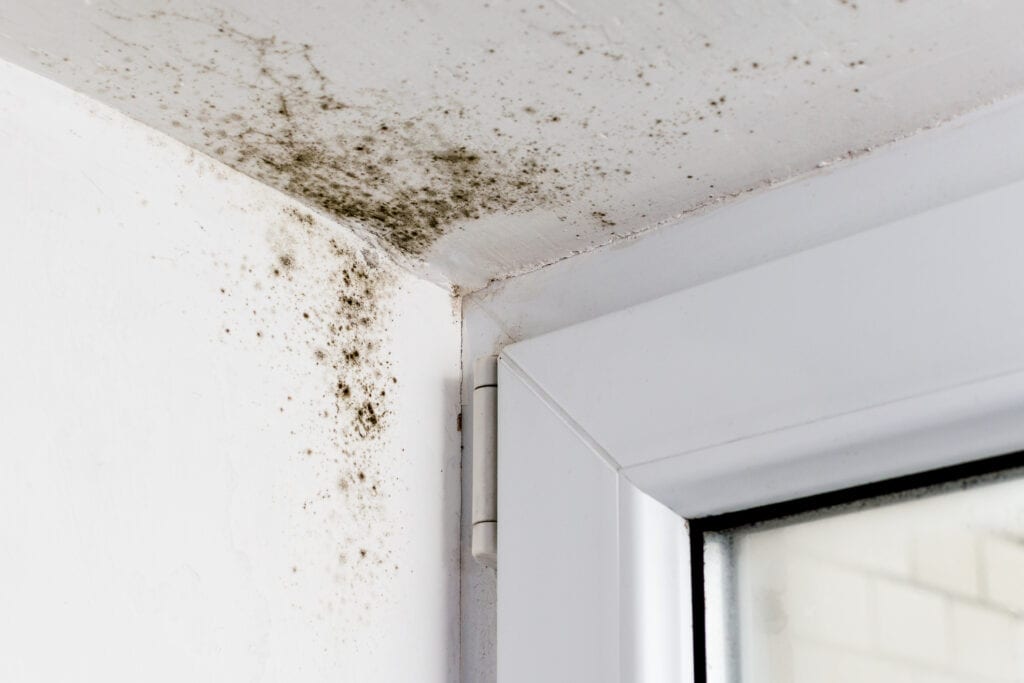
It’s unappealing, stinks, and can make you sick. Mold is the absolute last thing you want to discover in your house. However, if discovered immediately, it should be simple to remove on your own. No matter where you find mold in your home, there are safe, efficient methods for removing it from a range of household items and preventing it from returning.

All you need are some simple household materials and a broad grasp of what mold is and what kills mold to restore your home to its previous mold-free condition.

What Is Mold?

First and first, what exactly is this dreadful household pest known as mold? Mold is a fungus composed of microscopic living creatures that flourish in wet settings such as your damp bathroom or basement. Mold and its spores may be found everywhere. There are over 100,000 different forms of mold, and every homeowner finds at least one of them in their house at some point.

Many molds are innocuous, even beneficial, but others are harmful. You don’t want it in your house, anyways. Mold degrades materials, causes allergies, and can make people sick. It also appears to be dirt buildup.

Because mold is a living creature, the best way to get rid of it is to destroy and remove it; otherwise, it will return shortly. You should be able to accomplish this yourself as long as the home mold is limited to a small area.

Bleach versus Vinegar: Which Kills Mold?

Oh no, you’ve discovered mold. What are you going to do? The majority of households will douse it with bleach or a similar cleaning solution. Unfortunately, while these cleansers are harmful to you and your family, they have little effect on mold. Vinegar is the true mold-killer.

When harsh chemicals fail to destroy mold, how does vinegar? Although bleach may remove surface mold, its chemical composition prohibits it from penetrating porous surfaces where mold spores have sunk in deep and formed a protective barrier. It just cannot get to the bottom of the problem.

Vinegar, on the other hand, may enter porous surfaces and attack the molded membrane with its acidity, effectively destroying the whole mold colony so that no surviving spores can replicate and grow again. A moldy surface may be temporarily cleaned with bleach, but vinegar can completely remove it.

How to Get Rid of Mold Using Vinegar and Other Natural Remedies

So, now that you know bleach doesn’t work, you’re probably wondering how to remove mold with vinegar and whether that’s the only option.

Good question! Vinegar is incredibly simple to use on mold, and there are other simple and efficient non-toxic mold killers you may try as well. Here are the finest all-natural mold removal methods:

  1. Vinegar: Simply fill a spray bottle with vinegar and liberally spray the moldy area. Allow the vinegar to rest for at least an hour to perform its magic. Finally, blot the area dry with water with a cloth or paper towels. That’s all!
  1. Hydrogen peroxide: Hydrogen peroxide is an antifungal that acts on hard surfaces comparable to vinegar. Fill a spray bottle with 3 percent hydrogen peroxide, saturate the moldy surface, and let it sit for 10 minutes. Remove any residue by scrubbing the mold and wiping everything down.
  1. Baking soda: This gentle product has the proper pH to destroy mold while being safe for dogs and humans.
  1. Tea tree oil: You may not have this in your cabinet, but it is available at health food stores or online. It is a powerful fungicide that may be used to eliminate mold. In a spray bottle, combine 2 teaspoons of tea tree oil and 2 cups of water. Allow the mold to rest for 24 hours after spraying it. Remove any dead mold that has accumulated.

Contact us today for professional Commercial cleaning and Residential Cleaning Services

Call Us: 514.629.0841

Address: Montreal, Quebec, Canada

Mail Us: info@dialcleaningservices.com
READ MORE
  • 1
  • …
  • 3
  • 4
  • 5
  • 6
Featured author image: Why should You Always do A Post-Renovation Cleaning?

Faith Ileh

Hi! I am an author of this blog. Read Our Post

Recent Posts
  • The Best Carpet Cleaning Services in Montreal
    The Best Carpet Cleaning Services in Montreal
    August 14, 2023
  • Experience the Pinnacle of Cleanliness with Dial Cleaning Service
    Experience the Pinnacle of Cleanliness with Dial Cleaning Service
    August 13, 2023
  • Conquer Dusty Corners Like a Pro! ✨🌿
    Conquer Dusty Corners Like a Pro! ✨🌿
    May 31, 2023
dial 2D

Request A Callback

Quick Links

Menu
  • Our Blog
  • Deep Cleaning
  • Montréal
  • Commercial
  • Residential
  • Privacy Policy
  • FAQ

Get In Touch

514.629.0841

  • Business Hours:
  • 8:00 AM – 6:00 PM
  • 7 Days a Week
Copyright © 2026 Dialcleaningservices | design by fandfconsultancy